
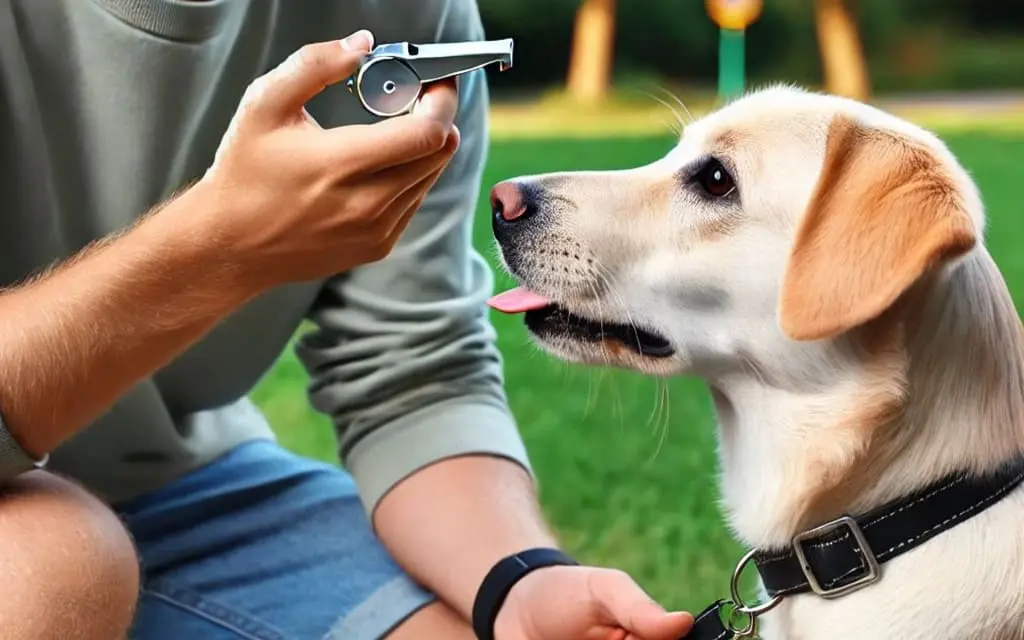
Whistle for training dogs helps improve obedience, focus, and recall. Learn how to use it the right way with proven, balanced, and positive techniques for consistent results.
Introduction:
Whistle for training dogs works best when used with patience, timing, and consistency. It’s not about blowing hard—it’s about teaching your dog to recognize sound patterns and respond positively every time. Below are key tips to make your training smoother and more effective.
Best Ways to Use a Whistle for Training Dogs
What is a Dog Training Whistle?
The dog training whistle is a small device that creates a low-cock sound of a particular frequency. Some emit sounds that are audible to people, while others create high-pitched tones that only dogs can hear. The single biggest benefit is consistency—your pitch and tone never wavers, unlike human voices which can change depending on mood or how much coffee you’ve had.
A Key Reason Whistles Work Better Than Voice Commands
Tone, not words, is the way dogs communicate. Dog training whistle provides a harmless and humane way of teaching your dog to obey commands and follow instructions. It removes emotional inflections that can create confusion for your pet and provides an unvarying sound pattern for your pet to recognize.
The Physics of a Whistle for Training Dogs
Dogs hear much better than humans. Dogs can hear sounds from 65,000 Hz to about 20,000 Hz. This sensitivity makes dog whistle training an effective way to communicate with your dog, especially when practiced from a great distance. Blowing a whistle works through your dog’s conditioned response reflex system. Along with rewards, your dog will associate the sound of the whistle with good things like treats, play time or praise.
Selecting The Best Whistle For Dog Training
Audible vs. Silent Whistles
Hearable Whistles: Produces a sound which is audible to both you and your dog. They’re great for beginners.
Silent (Ultrasonic) Whistles : These silent whistles create ultrasonic frequencies, which are barely audible to the human ear. Great for professional trainers and noise sensitive environment.
When choosing the right whistle for training dogs, take into account your dog’s size, breed and the environment where you will be doing your training. For instance, herding dogs have been found to react best to ultrasonic tones, while the smaller variety do well using softer pitches.
Material and Durability
Opt for a whistle crafted from stainless steel or good quality plastic. Such materials are resistant to weather damage, and have correspondingly relatively long lives. Steer clear of the cheap kind whose frequency consistency tends to weaken over time.
How to Train a Dog With a Whistle Step by Step
Begin with having your dog learn to associate the sound with something pleasant. Whistle softly to train dogs, then give treats at once. Do this a few times each day for a couple of days.
Associate Whistle with Commands
Blow the whistle before you give commands, such as come here, sit down and stay. For example, make one whistle blow and then your dog’s name. Your dog will eventually learn to obey the whistle alone.
Reward and Reinforcement
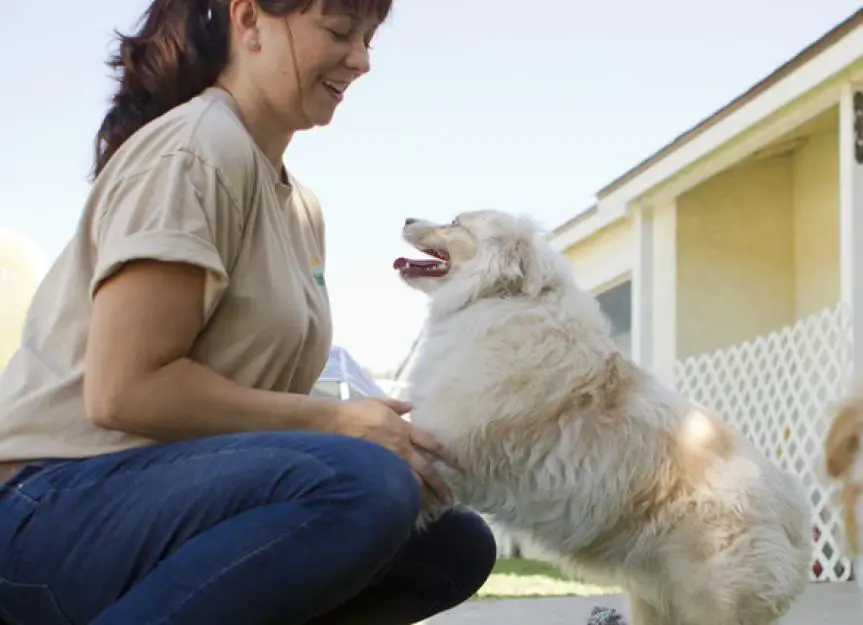
Praise your dog or give them a treat or some play time whenever they obey the whistle. Reinforcement in the positive builds trust and obedience.
Add Distance at a Snail’s Pace We want to do what you need physically, but no more than necessary.
Once your dog responds reliably up close, experiment with using the whistle as a cue for training dogs at greater distances. This will help them practice recall, even when they find themselves distracted or off-leash.
10 Dog Training with Whistle Techniques

Recall Training
You blow your whistle once and the dog learns that means “come back.” This is one of the best ways to use a whistle to train your dog, and it can be a life saver in an emergency.
Stopping Unwanted Behavior
A quick, sharp whistle can break the cycle of barking or digging. It serves as a “distraction cue” without yelling or punishment.
Reinforcing Sit and Stay
One blow for sit, two blows for stay. Consistency is the most important method in training your dog using the whistle.
Long-Distance Control
Hunters & trainers commonly use a whistle to train dogs for long-distance communication in the field or forest. Your own voice would mute, but the whistle would travel.
Off-Leash Freedom
With effective whistle recall training, your dog will be free to roam off leash and remain under control, avoiding danger.
Multi-Dog Training
Various whistle patterns can also represent different commands for several dogs, which is convenient when training more than one dog at a time.
Emergency Recall
Create an emergency whistle signal for emergencies. If your dog goes running towards danger, this one can bring your furry friend back in an instant.
Agility and Obedience Training
Whistles help dogs forage through agility courses in which they should remain attuned to their trainer’s signals.
Puppy Training
Looking appealing on the floor Infants like sharp high pitched sound, good for children up to 10 months infants. Teach your Pet Dog Whistle: Training a pet dog to the silent whistle early creates great communication habits.
Professional Sports or Service Training
From police K9s to therapy pets, whistles are familiar aids for constant and quiet communication.
Advice For Using Your Whistle When Training Dogs

- Consistency Is Key: Using a whistle for training dogs consistently helps your pet understand commands faster. Dogs learn through repetition, so always use the same sound pattern for each command to create clear associations.
- Don’t Overuse It: Overusing the whistle for training dogs without rewards teaches your dog to ignore the sound. Always maintain balance by pairing the whistle with positive outcomes like treats, affection, or praise.
- Overusing the whistle with no rewards Sets your dog up for ignoring the sounds. Maintain balance.
- Keep Training Sessions Short: Dogs have short attention spans. Practice whistle for training dogs sessions for 5–10 minutes daily to keep them focused and motivated without causing frustration.
- Dogs have short attention spans. 5–10 minutes daily is sufficient for your whistle to train dogs.
- Combine Whistle with Positive Reinforcement
- Rewards make learning faster. Treats, affection or even toys all serve as rewards.
- Common Mistakes To Avoid When Whistling For Training Your Dog
- Keep changing tones – Play a perfectly consistent one-note sound for each request.
- Punishing your dog for coming back – Do not punish your dog after recall. It breaks trust.
- Blowing too much – Softer prolonged tones are better than strong blasts.
- Skipping reward — reinforcement must provide lasting outcomes.
- Anticipate instant obeying – Whistle training for dogs will take some time and patience as it not so difficult at first.
- Why Using a Whistle to Train Dogs is Advantageous
- Consistency: Same tone every time.
- Long-Range Sound : Earsplitting even at long distances.
- Sound, Not Mood: Dogs react to sound not sentiment.
- Multi Dog Friendly: You can train up to 3 dogs at the same time.
- Improved Focus: Dogs learn quicker with clear cues.
- When used correctly, a dog whistle makes your communication with the animal more effective and fun as well in which overwhelming or unruly cases turn into focusing modes at training.
Common Mistakes to Avoid When Using a Whistle for Training Dogs
Changing tones: Always play a consistent, single-note sound for each command.
Punishing after recall: Never scold your dog after responding to the whistle—it breaks trust.
Blowing too hard: Gentle, steady tones are more effective than loud blasts.
Skipping rewards: Reinforcement ensures long-term obedience.
Expecting instant results: Training with a whistle for training dogs takes time and patience.
Why Using a Whistle for Training Dogs Is Advantageous
Consistency: Same tone every time.
Long Range: Audible even from long distances.
Emotion-Free Commands: Dogs respond to sound, not mood.
Multi-Dog Friendly: You can train multiple dogs at once.
Better Focus: Dogs learn faster through clear, consistent cues.
When used properly, a whistle for training dogs transforms your communication into an effective, fun, and reliable connection between you and your pet. Even distracted or unruly dogs can become focused and responsive with consistent whistle use.
Final Thoughts
A dog training whistle isn’t just a tool — it’s a communication device between you and your best friend. It can make your training more efficient and trustful, safe anywhere. Be patient and consistent, keep the positive attitude, and you’ll quickly see how your pooch eagerly responds to every whistle command. Training is no longer a chore — it becomes a fun, bond-enhancing activity.
Questions And Answer About Whistle For Training Dogs
Q1: Is this whistle effective for all dogs?
Yes, most dogs take well to whistles. But frequency should change with group sensitivity, it’s important to remember.
Q2: How long will it take for a dog to follow the blowing of whistle?
With regular training, most dogs learn to respond to the whistle for dog training of recall in one or two weeks.
Q3: Can I use any whistle?
No You should always use whistles that are specifically made for dogs as smaller human sport whistles may be too loud or inconsistent.
Q4: If my dog ignores the whistle?
Return to basics — association of whistle with treats and reward as your dog finds out that the sound means a tasty treat.