
Wondering when do puppies stop growing? Discover how your little fur baby transforms through every stage into a strong, loving companion.
Introduction: The Exciting Journey of Puppy Growth
Every dog parent remembers the moment they brought home their fluffy little ball of energy. Those tiny paws, soft ears, and wagging tails make our hearts melt! But one question often pops up soon after: “When do puppies stop growing?”
This question isn’t just about curiosity — it’s crucial for understanding your pup’s health, nutrition, and development. Growth rates vary based on breed size, genetics, diet, and overall care. By knowing when your puppy will reach full size, you can prepare for changes in food, exercise, and training routines.
Let’s dive deep into this complete guide to uncover everything you need to know about when do puppies stop growing, broken down by stages, breeds, and expert advice.
Understanding Puppy Growth Basics
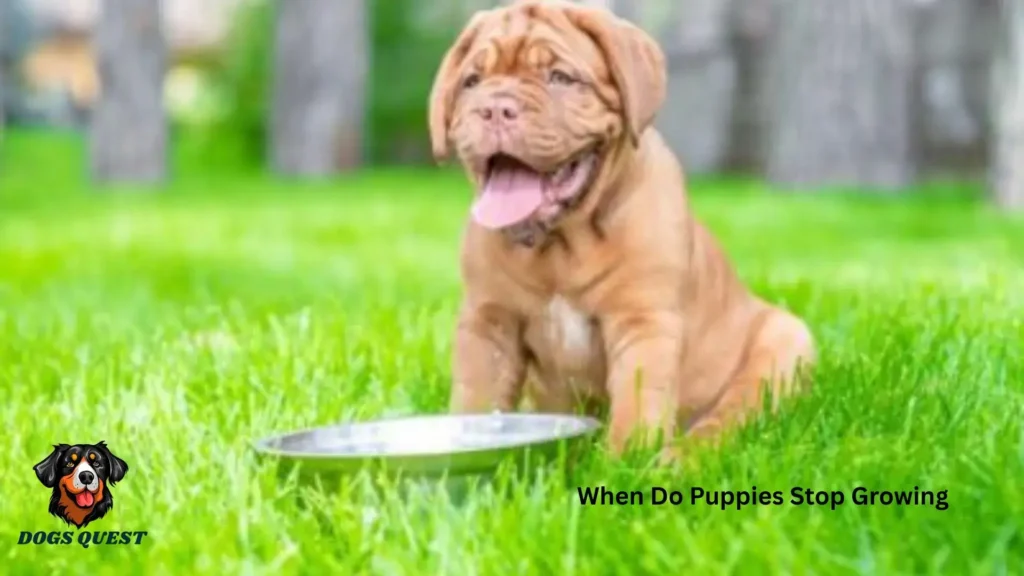
Before we explore timelines, it’s important to understand how puppies grow. Growth in dogs happens rapidly in the first months and gradually slows down over time.
How Puppy Growth Happens
Puppies grow through a process called skeletal and muscular development. Their growth plates, located at the ends of long bones, stay open while the pup is still developing. Once these plates close, growth officially stops.
The closure of these plates usually marks the end of physical growth — and that’s when we can say your dog has reached its adult size.
Why Growth Varies by Breed
One of the biggest factors in when do puppies stop growing is breed size. Smaller breeds finish growing much earlier than larger ones.
For example:
- Small breeds (like Chihuahuas or Pomeranians) may stop growing as early as 8–10 months.
- Medium breeds (like Cocker Spaniels or Border Collies) usually stop around 12–15 months.
- Large and giant breeds (like Labradors, German Shepherds, and Great Danes) can keep growing until 18–24 months.
Growth Timeline — From Birth to Adulthood
Here’s a detailed stage-by-stage timeline to help you understand when do puppies stop growing depending on their development phase.
Stage 1 — Newborn to 2 Weeks (The Neonatal Stage)
At this stage, puppies are fragile and completely dependent on their mother. Their eyes and ears are closed, and growth is focused mainly on survival and basic functions.
- Weight doubles within the first week.
- No walking yet, only crawling and nursing.
- Critical for immune development and warmth.
Stage 2 — 2 to 4 Weeks (The Transitional Stage)
Puppies open their eyes, start to hear, and wobble around for the first time. Muscle development begins, and they start socializing with littermates.
- Puppies start standing and taking tiny steps.
- Growth rate increases quickly.
- Early neurological stimulation helps with coordination.
Stage 3 — 4 to 12 Weeks (The Socialization Stage)
This is a magical time! Puppies learn to play, bark, and recognize people. They begin eating solid food and exploring their environment.
- Growth is explosive — expect visible changes every week.
- Proper nutrition is crucial now.
- Early training should begin gently.
Pro Tip: Socializing your pup during this stage helps prevent anxiety later in life.
Stage 4 — 3 to 6 Months (Juvenile Stage)
This stage is when most pet parents start asking “When do puppies stop growing?” because the growth is rapid and visible.
- Puppies start looking more like small adults.
- Teething occurs between 3–6 months.
- Energy levels skyrocket, so daily exercise is essential.
Small breeds may complete most of their growth by the end of this period, while larger ones are just getting started.
Stage 5 — 6 to 12 Months (Adolescence Stage)
This stage marks big hormonal and physical changes. Your pup may test boundaries — kind of like a teenager!
- Small breeds are fully grown by 8–10 months.
- Medium breeds approach their full height by 12 months.
- Large breeds continue growing steadily.
Fun Fact: Even if your dog looks fully grown, their bones may still be maturing underneath.
Stage 6 — 12 to 24 Months (Young Adulthood Stage)
Now your pup transitions from “teen” to “adult.” The answer to when do puppies stop growing depends heavily on breed at this stage.
- Giant breeds, like Mastiffs or Great Danes, can take up to 2 years to fully mature.
- Muscle mass and coat thickness continue to develop.
- Mental maturity often comes later than physical growth.
By 24 months, most dogs reach their final adult height and weight.
Stage 7 — 2 Years and Beyond (Adulthood)
By this stage, the growth plates have closed, and your puppy is now an adult dog. However, muscle tone, coat texture, and emotional maturity may still evolve.
This is also when dietary needs shift from puppy food to adult dog food.
Factors Affecting When Puppies Stop Growing
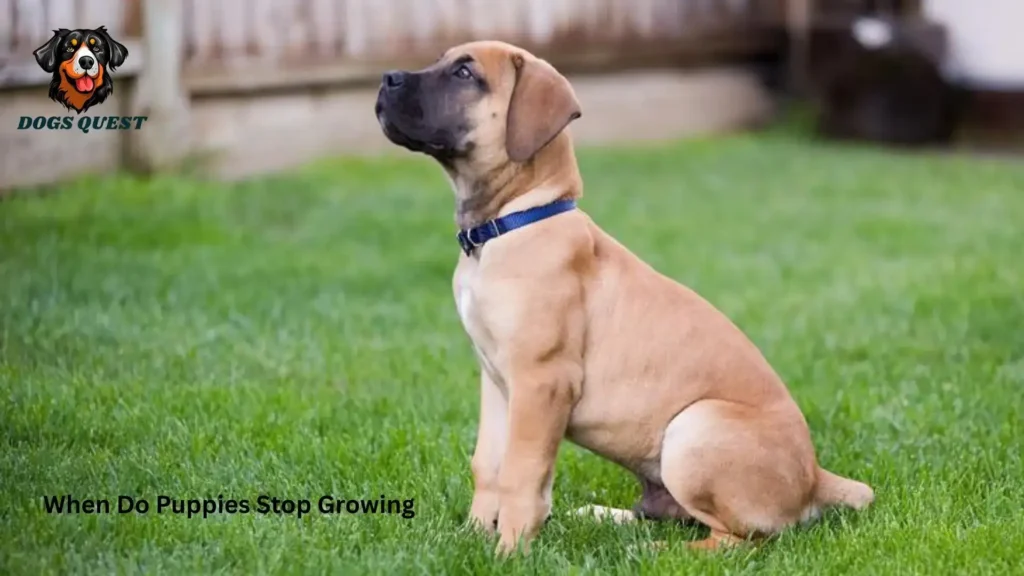
Every dog is unique. Even within the same breed, puppies can mature at different rates. Let’s look at the key influences on when do puppies stop growing.
1. Breed and Genetics
As mentioned, breed size is the #1 determining factor. Genetics play a big role — if your puppy’s parents were large or small, chances are your pup will follow suit.
2. Nutrition and Diet
Feeding your puppy a balanced, vet-approved diet is essential. Overfeeding or feeding low-quality food can cause:
- Unhealthy weight gain
- Joint problems
- Stunted growth
A premium puppy formula with the right balance of protein, calcium, and omega-3s supports optimal growth.
3. Exercise and Environment
Regular play and moderate exercise help strengthen bones and muscles. However, too much intense activity early on (like jumping or running on hard surfaces) can harm growing joints — especially in large breeds.
4. Health Conditions
Certain medical conditions, like hypothyroidism or joint dysplasia, can delay or alter normal growth. Regular vet checkups help catch these issues early.
How to Tell If Your Puppy Has Stopped Growing
Still wondering when do puppies stop growing in your pup’s case? Here are signs that your dog is nearing adult size:
- Growth plates have closed (confirmed via X-ray).
- Weight gain has stabilized.
- Collar size stays consistent for months.
- Puppy energy levels start calming down.
If you’re unsure, your vet can estimate growth completion based on breed and body condition.
Small, Medium, and Large Breed Growth Comparison
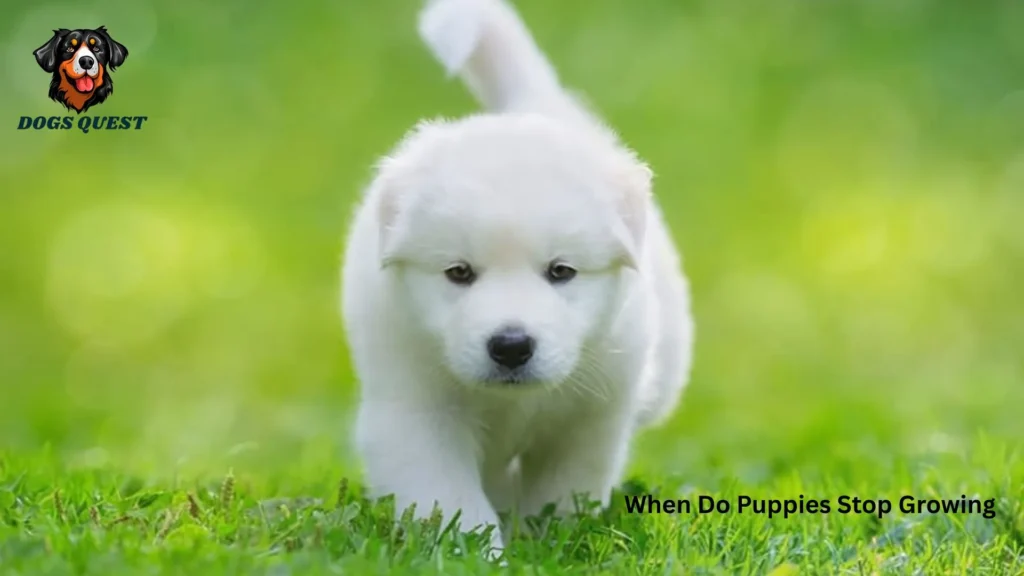
To make things clearer, here’s a simple comparison chart showing when do puppies stop growing by breed size.
| Breed Size | Examples | Full Growth Age | Weight Range (Adult) |
|---|---|---|---|
| Small | Chihuahua, Toy Poodle | 8–10 months | Up to 20 lbs |
| Medium | Beagle, Border Collie | 12–15 months | 20–50 lbs |
| Large | Labrador, German Shepherd | 18–24 months | 50–90 lbs |
| Giant | Great Dane, Mastiff | 24–30 months | 100+ lbs |
Tip: Never rush growth by overfeeding. Slow and steady growth equals stronger, healthier bones.
Why It’s Important to Know When Puppies Stop Growing
Understanding when do puppies stop growing helps you make smarter choices about your dog’s care, including:
Switching to Adult Food
Feeding puppy food too long can lead to excess calories and weight gain. Once your pup stops growing, gradually switch to adult dog food.
Adjusting Exercise Routines
Puppies need more playtime and shorter walks. Adults can handle longer, more structured exercises.
Planning for Spaying or Neutering
Most vets recommend waiting until your dog’s growth plates close before surgery, especially for large breeds.
Monitoring Health and Weight
Knowing your puppy’s growth stage helps prevent obesity, joint issues, and malnutrition.
Common Myths About Puppy Growth
Let’s bust some popular myths surrounding when do puppies stop growing.
Myth 1 — All Dogs Stop Growing at 1 Year
Not true! Large and giant breeds often continue growing well into their second year.
Myth 2 — You Can Tell Adult Size from Birth
False. While parent size gives clues, even littermates can vary greatly.
Myth 3 — Overfeeding Makes Puppies Grow Faster
Overfeeding may make them heavier, but it doesn’t make them grow taller or stronger. Instead, it increases the risk of bone issues.
Tips for Supporting Healthy Puppy Growth

You can help your puppy reach its full potential with these vet-approved tips.
1. Feed High-Quality Puppy Food
Choose food rich in protein, DHA, and calcium — especially for large breeds.
2. Provide Regular Vet Checkups
Regular checkups ensure vaccinations are up to date and that your puppy’s weight and growth stay on track.
3. Encourage Safe Play and Exercise
Playtime builds muscles and improves coordination, but avoid activities that strain growing joints.
4. Give Love and Mental Stimulation
Mental growth matters too. Interactive toys, training, and affection build confidence and intelligence.
Final Thoughts — Watching Your Puppy Grow Is a Beautiful Journey
Watching your furry friend grow from a tiny pup into a confident adult dog is an unforgettable experience. Understanding when do puppies stop growing helps you guide them through each stage with love, care, and the right knowledge.
Every wag, bark, and tail-chasing moment is part of this wonderful growth story. Whether your dog stops growing at 10 months or 2 years, remember — what matters most is their happiness, health, and bond with you.
Quick Recap — When Do Puppies Stop Growing?
- Small breeds: 8–10 months
- Medium breeds: 12–15 months
- Large breeds: 18–24 months
- Giant breeds: Up to 30 months
Knowing these timelines helps you feed, train, and care for your dog more effectively.
FAQs – When Do Puppies Stop Growing
Q1: When do puppies stop growing on average?
Most puppies stop growing between 12 to 18 months, depending on their breed. Small breeds usually finish by 8–10 months, while large and giant breeds may take up to 24 months to reach full size.
Q2: How can I tell if my puppy has stopped growing?
You can tell your puppy has stopped growing when their weight stabilizes, growth plates close (confirmed by a vet via X-ray), and their collar or harness size stays the same for several months.
Q3: Do male and female puppies grow at the same rate?
Not exactly. Male puppies often grow slightly larger and heavier than females, especially in medium and large breeds. However, both sexes follow similar growth stages overall.
Q4: Does neutering or spaying affect when puppies stop growing?
Yes, it can. Early neutering or spaying might slightly delay growth plate closure, leading to a taller adult dog. Most vets suggest waiting until the puppy’s growth is almost complete.
Q5: What happens if my puppy grows too fast?
Rapid growth — especially in large breeds — can cause joint or bone problems like hip dysplasia. Feed your puppy a balanced diet designed for their breed size to support healthy development.