
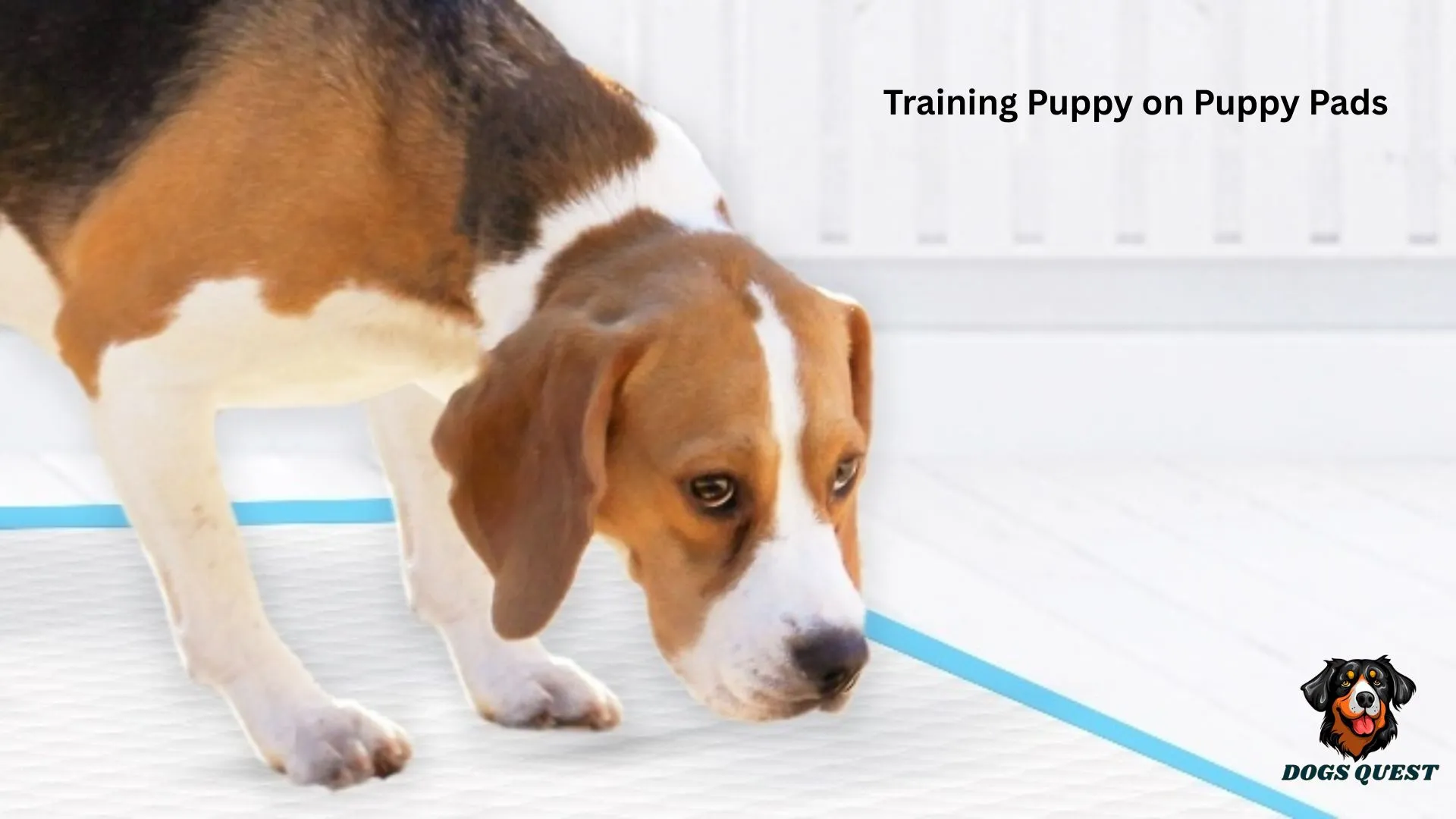
Discover the complete guide to training puppy on puppy pads in 7 easy steps. Learn how to potty train your puppy quickly, prevent accidents, and enjoy a clean, happy home even with a young dog.
Introduction: Why Training Puppy on Puppy Pads Matters
Bringing home a new puppy is one of the most joyful experiences a dog lover can have. That adorable face, the playful energy, and the endless cuddles melt your heart instantly. But every new puppy owner also faces one big challenge—house training. If you’ve already found yourself cleaning up little “surprises” around the house, you’re not alone. This is where training puppy on puppy pads becomes your best friend.
Puppy pads are designed to absorb liquid and neutralize odor, making them a simple and effective solution to teach your puppy where it’s okay to go potty. Whether you live in an apartment, work long hours, or are dealing with unpredictable weather, puppy pad training offers a clean and manageable alternative to outdoor potty trips. Beyond just convenience, it builds structure, teaches discipline, and saves you from endless stress during the first few months of puppyhood. In this article, we’ll walk through 7 proven steps for training puppy on puppy pads, explore common mistakes to avoid, and share expert tips to make the process smooth and rewarding.
Understanding Puppy Pad Training Basics
What Is Puppy Pad Training?
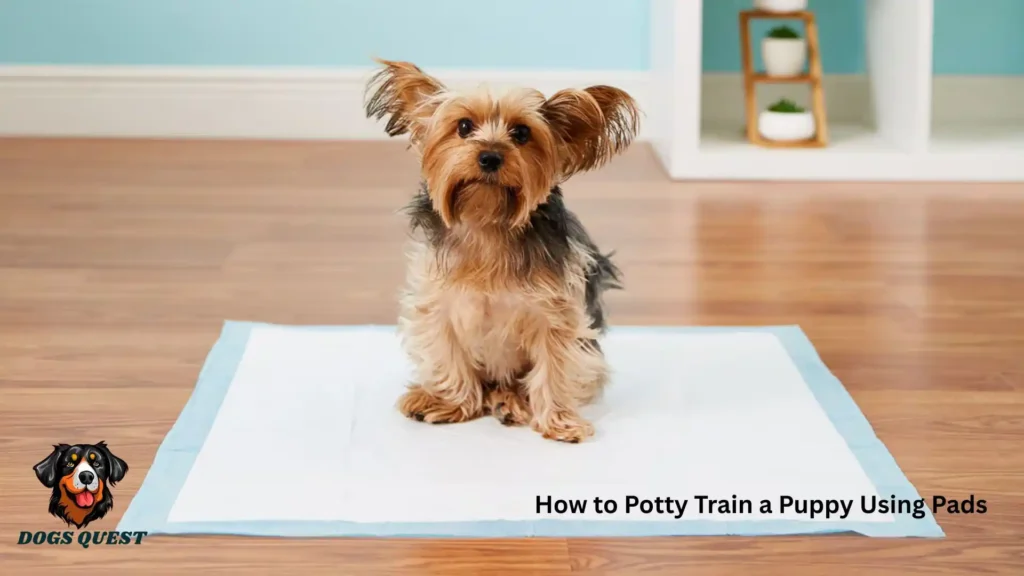
Training puppy on puppy pads simply means teaching your dog to eliminate on a specific pad placed indoors rather than on the floor or carpet. The pads are made of multiple absorbent layers that soak up urine and contain the smell, allowing for quick cleanup. They’re especially helpful for apartment dwellers, small-breed dog owners, or anyone who can’t always rush outside for potty breaks.
The process helps your puppy learn boundaries and habits from a young age. It’s not just about keeping your floor clean—it’s about forming a predictable routine that your puppy can understand and follow confidently.
The Science Behind Puppy Potty Behavior
Before you start training puppy on puppy pads, it helps to know how a puppy’s bladder and brain work. Puppies can’t hold their urine for long. Most need to go every two to three hours, and almost always after eating, drinking, playing, or waking up from a nap.
By using consistent timing and positive reinforcement, you can create a mental connection between the act of elimination and the location where it’s allowed. Over time, this repetition builds a strong habit. Remember, dogs love predictability. A consistent routine gives them confidence and helps them learn faster.
Step-by-Step Guide to Training Puppy on Puppy Pads
Step 1: Choose the Perfect Location
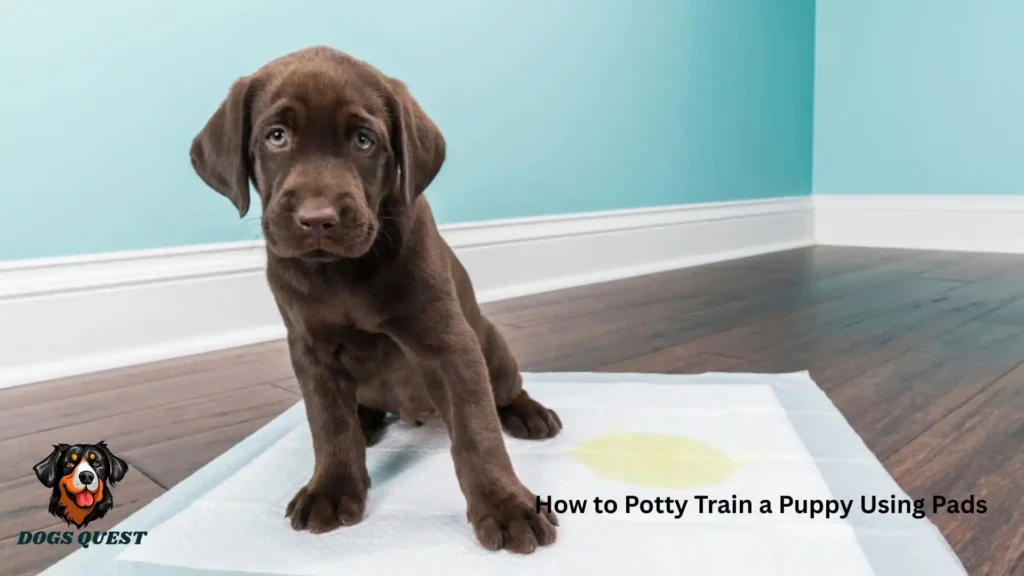
The success of training puppy on puppy pads depends heavily on where you place the pad. Choose a quiet, easy-to-access spot—somewhere your puppy can reach quickly but far from their food, bed, or toys. Dogs naturally avoid eliminating near where they eat or sleep.
If you move the pad too often, your puppy might get confused and have accidents elsewhere. Consistency is key. Once you choose a location, stick with it until your puppy fully understands that this is the designated potty zone.
Step 2: Introduce the Pad Properly
Your puppy won’t automatically understand what the pad is for. Let them sniff and explore it first. Dogs rely heavily on their sense of smell, so familiarizing them with the pad helps them feel comfortable using it later.
When you notice signs like sniffing, circling, or squatting, quickly guide your puppy onto the pad. If they relieve themselves there, praise them immediately. This teaches them that the pad is the correct place to go.
Step 3: Use a Verbal Cue
A verbal cue like “Go potty” or “Use your pad” helps link your words to the action. Every time you place your puppy on the pad, use the same phrase. Consistency in tone and timing helps them understand faster.
Over time, your dog will start responding to your cue even before they feel the urge. This kind of communication makes training puppy on puppy pads smoother and helps you eventually transition outdoors.
Step 4: Reward and Reinforce
Positive reinforcement is the magic ingredient in every successful training routine. The moment your puppy uses the pad correctly, shower them with praise and offer a treat. Dogs repeat actions that bring them rewards.
Avoid punishment for accidents. Puppies don’t understand scolding after the fact. It only makes them anxious and slows progress. Patience, love, and consistency are much more powerful tools when training puppy on puppy pads.
Step 5: Handle Accidents Gracefully
Accidents will happen, no matter how diligent you are. When they do, don’t panic or yell. Instead, clean the spot immediately with an enzyme-based cleaner that removes odor completely. Regular cleaning products often leave behind faint smells that tell your puppy it’s an okay place to go again.
After cleaning, calmly take your puppy to the pad and let them sniff it. Each time they miss, guide them back to the correct spot. The more calmly and consistently you respond, the faster they’ll learn.
Step 6: Build a Consistent Schedule
Routine is everything in training puppy on puppy pads. Set specific times for meals, play, naps, and potty breaks. Take your puppy to the pad every two hours, as well as right after eating, drinking, or waking up.
Predictability helps your dog anticipate when and where they should go. Puppies thrive on repetition. The more predictable your schedule, the quicker your puppy will master pad training.
Step 7: Gradually Transition Outdoors (Optional)
Once your puppy is consistently using the pad, you can begin transitioning them to outdoor potty habits if desired. Start by slowly moving the pad closer to the door over several days. Once it’s near the door, move it outside to a designated potty area.
Eventually, your dog will associate outdoor spaces with potty time. This gradual transition makes the process less confusing. Remember, training puppy on puppy pads doesn’t mean they’ll always rely on them—it’s a helpful foundation that makes full house training easier later on.
Common Mistakes to Avoid While Training Puppy on Puppy Pads
Even well-meaning owners make small mistakes that can delay results. One of the biggest is moving the pad location too often. Your puppy needs consistency to connect the dots. Another mistake is skipping rewards. If your dog uses the pad and doesn’t receive praise or treats, they might not realize they did something good.
Dirty pads are another problem. Puppies dislike eliminating on soiled surfaces. Change the pad often to encourage good habits. Also, don’t give your puppy too much freedom around the house until they’re reliable. Limiting their play area to one room or a playpen helps prevent random accidents. And finally, never punish your dog for mistakes—it damages trust and slows learning. Gentle correction and redirection work far better.
Essential Tools for Successful Puppy Pad Training
Having the right tools can make training puppy on puppy pads smoother and faster. The right supplies keep your home clean, control odors, and help your puppy understand where to go.
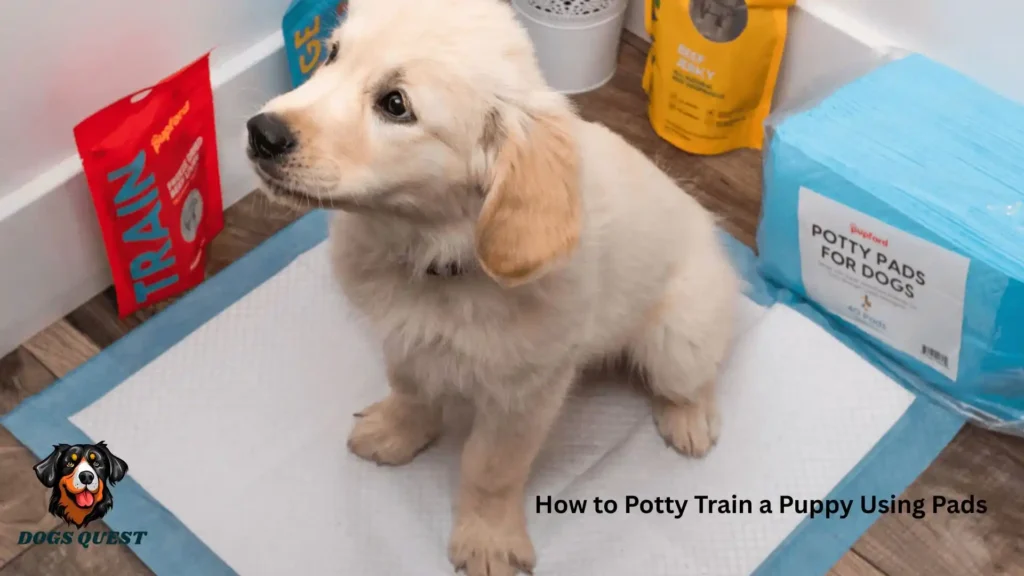
Start by using high-quality puppy pads that are super absorbent, leak-proof, and include odor control. Some pads even have attractant scents that naturally guide your puppy to use them, which helps speed up the learning process.
A sturdy pad holder or tray is another must-have. It keeps the pad in place, stops your puppy from dragging or chewing it, and protects your floor from leaks. It’s a small investment that makes training much easier.
You’ll also need a good enzyme cleaner. Regular sprays may hide the smell, but enzyme-based cleaners completely remove it, preventing your puppy from returning to the same wrong spot.
Set up a small crate or playpen to give your puppy a secure, controlled space. When your pup is confined in a clean area with easy access to a pad, it learns faster and builds strong potty habits.
Finally, don’t forget positive reinforcement. Keep small, tasty treats nearby and reward your puppy every time it uses the pad correctly. This helps your pup associate the pad with praise and good behavior.
With these simple tools and consistent practice, training puppy on puppy pads becomes a clean, stress-free, and successful experience for both you and your new furry friend..
When to Expect Results
Every puppy is unique, but with consistency, most dogs master training on puppy pads within two to four weeks. Some learn in just a few days, while others may take longer depending on age and breed. You’ll know your puppy is making progress when they start walking to the pad on their own, have fewer accidents, and respond to your verbal cue.
Celebrate every small win. Each successful pad visit is a step toward full independence. Remember, patience is essential—puppies don’t learn overnight, but they do learn steadily.
Advanced Tips to Make Pad Training Easier
Want to make training puppy on puppy pads even faster? Use scent attractants or pheromone sprays to guide your puppy toward the pad. Limit water an hour before bedtime to reduce nighttime accidents, but always make sure your dog stays hydrated during the day.
Track your puppy’s potty patterns in a small notebook or app. You’ll start to notice a rhythm—most puppies have predictable times they need to go. Knowing those patterns helps you anticipate when to guide them to the pad, preventing many accidents.
Transitioning Off Puppy Pads
Once your puppy consistently uses the pad, it’s time to start weaning them off it. Move the pad a few feet closer to the door each day. When your puppy adjusts, place it just outside. Gradually reduce the use of the pad until your dog naturally heads outdoors to do their business.
This slow transition prevents confusion and helps your puppy understand that outdoors is now the preferred bathroom spot. If you prefer to keep the pads permanently for convenience, that’s fine too—some small breeds and indoor dogs use pads successfully for life.
Benefits of Training Puppy on Puppy Pads
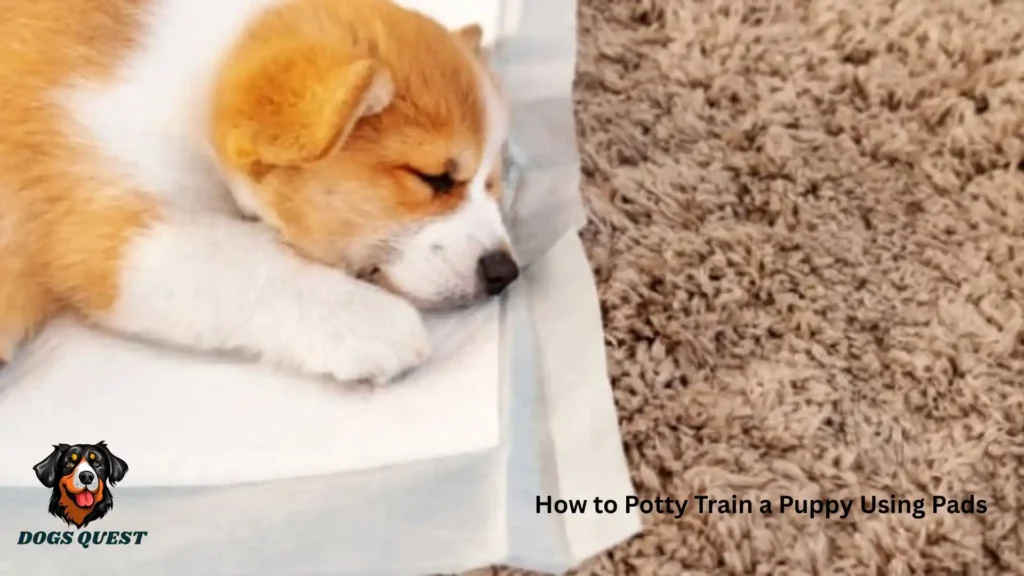
There are many benefits to training puppy on puppy pads. It keeps your home clean and odor-free, builds good potty habits early, and is perfect for apartment living or harsh weather conditions. It also helps with puppies recovering from illness or owners who work long hours. Most importantly, it strengthens the bond between you and your pet by teaching communication and mutual understanding.
Every successful pad training session boosts your puppy’s confidence and your peace of mind as a dog parent.
Conclusion: A Clean Home and a Happy Pup
Potty training doesn’t have to be stressful or frustrating. With patience, positive reinforcement, and structure, training puppy on puppy pads can become one of the most rewarding parts of raising your furry friend. These seven proven steps help you build a clean routine, encourage discipline, and develop trust between you and your puppy.
Start today with the right tools, a consistent schedule, and lots of love. Remember, every accident is just another step toward progress. Soon, you’ll have a well-trained puppy, a spotless home, and the joy of knowing you did it all through care and understanding.
Frequently Asked Questions (FAQs) About Training Puppy on Puppy Pads
Q1. How long does training puppy on puppy pads usually take?
Training puppy on puppy pads usually takes about two to four weeks for most puppies. However, it depends on your puppy’s age, breed, and your consistency. Very young puppies may need more time since their bladder control isn’t fully developed. Stay patient, reward good behavior, and follow a regular schedule to help your puppy learn faster.
Q2. Should I use puppy pads at night or only during the day?
Yes, you can use puppy pads both day and night. Puppies often need to relieve themselves overnight, and having a pad nearby prevents accidents. During training puppy on puppy pads, keep one pad accessible at night. As your puppy grows and can hold their bladder longer, you can slowly reduce nighttime pad use or switch fully to outdoor training.
Q3. How can I stop my puppy from chewing or tearing up the puppy pad?
If your puppy keeps chewing the pad, try using a pad holder or tray to secure it in place. Choose tear-resistant or chew-proof pads with attractant scents that guide your dog to use them correctly. Supervise your puppy closely, and offer a chew toy when they try to bite the pad. This keeps them engaged and supports better behavior while training puppy on puppy pads.
Q4. When should I transition from puppy pads to outdoor potty training?
Once your puppy consistently uses the pad without accidents for a week or two, you can start transitioning outdoors. Move the pad a little closer to the door each day, then place it outside in your chosen potty area. Gradual change helps your puppy understand the connection. Training puppy on puppy pads builds the foundation for outdoor potty habits, so take it step by step.
Q5. Are puppy pads safe and hygienic to use long-term?
Yes, puppy pads are safe for long-term use if you maintain cleanliness. Replace pads regularly and clean the area to prevent odors or bacteria buildup. Many small or indoor dog breeds use pads for life without issues. Always choose high-quality, leak-proof pads with odor control. When done right, training puppy on puppy pads is a clean, safe, and practical solution for pet parents.