
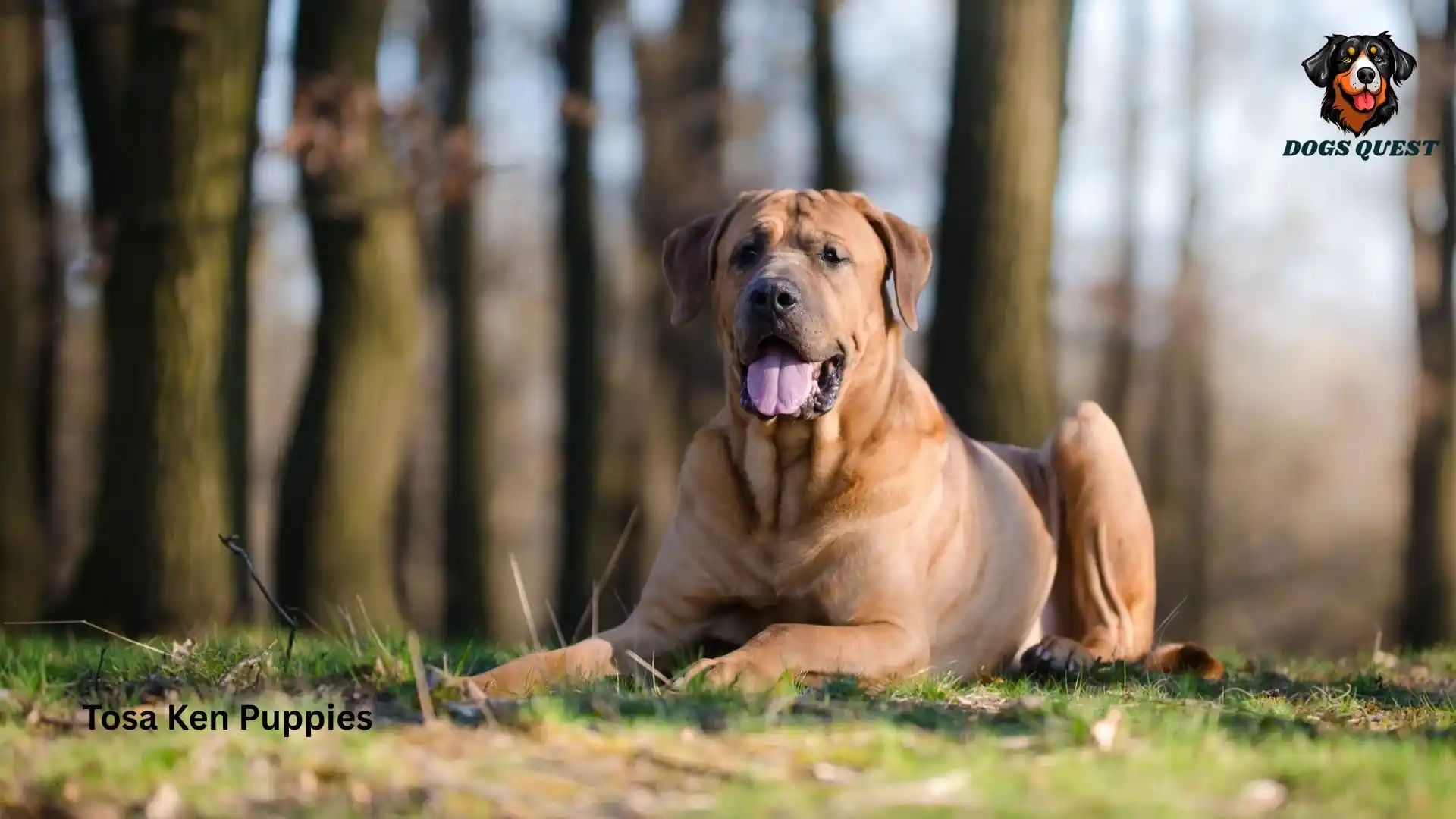
Discover the truth about Tosa puppies—their temperament, training, health, and care. Learn 7 powerful reasons why owners absolutely love them.
Introduction:
Welcoming Tosa Ken puppies into your life is both an exciting and serious decision. These large, majestic dogs bring a unique blend of strength, loyalty, and presence — but also require responsible ownership, careful training and understanding of their nature. In this guide, you’ll find seven essential things to know about caring for Tosa puppies, from their history and temperament to training, health and how to find a reputable breeder.
What Are Tosa Ken Puppies?
Breed origin and history
The term Tosa Ken refers to the breed also known as the Tosa Inu (sometimes “Tosa Ken” or “Japanese Mastiff”), a large Japanese dog breed originally developed in Tosa Province (now Kōchi Prefecture), Japan. The breed was historically used in dog-fighting arenas in Japan, intended to produce a calm yet powerful dog that could hold its ground. Over time, the breed shifted to being considered a working dog, guard dog, and companion for experienced owners.
What makes puppies unique?
When you bring home Tosa Ken puppies, you are looking at the very beginning of a dog that will grow into a powerful and substantial adult. The puppy stage is a critical window for socialization, training and building trust. Because the adult Tosa Ken is large and strong, the puppy stage sets the tone for future behavior.
Why the focus on “puppies”?
Focusing on Tosa puppies (rather than adult Tosa Ken) is important because early experiences shape how they’ll behave when they reach full size. Training, house-breaking, exposure to children, other pets and strangers all happen in the puppy phase. Investing time early means a better adult dog.
Temperament & Behavior of Tosa Ken Puppies
Typical temperament traits
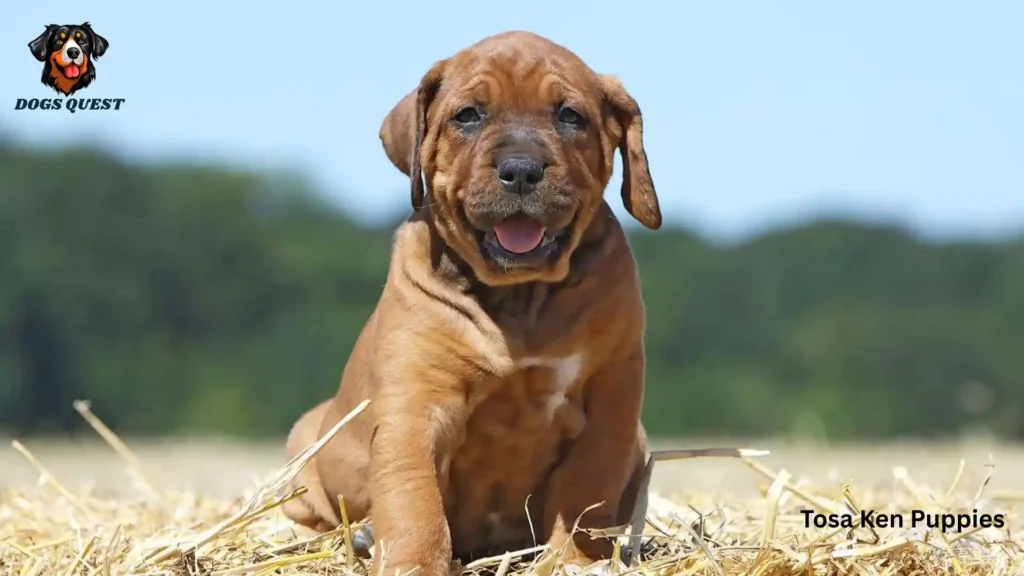
The breed is described as patient, composed, courageous and loyal. As puppies, Tosa Ken puppies may show a calm presence but also require boundaries and structure. They tend to be quiet and obedient, yet vigilant around strangers.
Socialization is critical
Because these dogs have strong protective instincts (stemming from their history), early and consistent socialization is essential. The earlier you expose Tosa puppies to other dogs, people, children, pets and varied environments the better. Without socialization, unwanted behaviors (over-guarding, fear, aggression toward unfamiliar dogs) may emerge.
Fit for experienced owners
Tosa puppies are not necessarily ideal for first-time dog owners. Their size, strength, potential for dominance and high level of responsibility mean they suit owners who are confident, consistent in training and committed to ongoing growth and leadership. The breed standard even notes they were built for very specific tasks — making them unique.
Bringing Home Tosa Ken Puppies – What to Prepare
Space, environment and lifestyle
Because Tosa puppies will grow into large, muscular adult dogs (often over 100 lbs / 45 kg) they need appropriate space and an environment that supports their size and strength. A home with access to a securely fenced yard, reliable exercise routines, and safe indoor space is necessary. Apartment living can be challenging unless you are very active and committed.
Exercise and activity needs
While the breed is calm compared to some hyperactive breeds, Tosa Ken puppies still require meaningful exercise and mental stimulation. Short walks, supervised playtime and early training games will help them channel their energy. As they mature, moderate daily exercise is needed to maintain health and happiness.
Training gear and schedule
Before bringing home your puppy, prepare: a sturdy leash and harness (since the adult will be strong); chew-toys and mental enrichment tools (puzzle toys, treat feeders); a consistent schedule for feeding, potty breaks, social time and training sessions; and a crate or safe rest area. Starting training early—and with calm but consistent leadership—makes a big difference for Tosa puppies.
Health, Nutrition & Care for Tosa Ken Puppies
Puppy diet and growth considerations
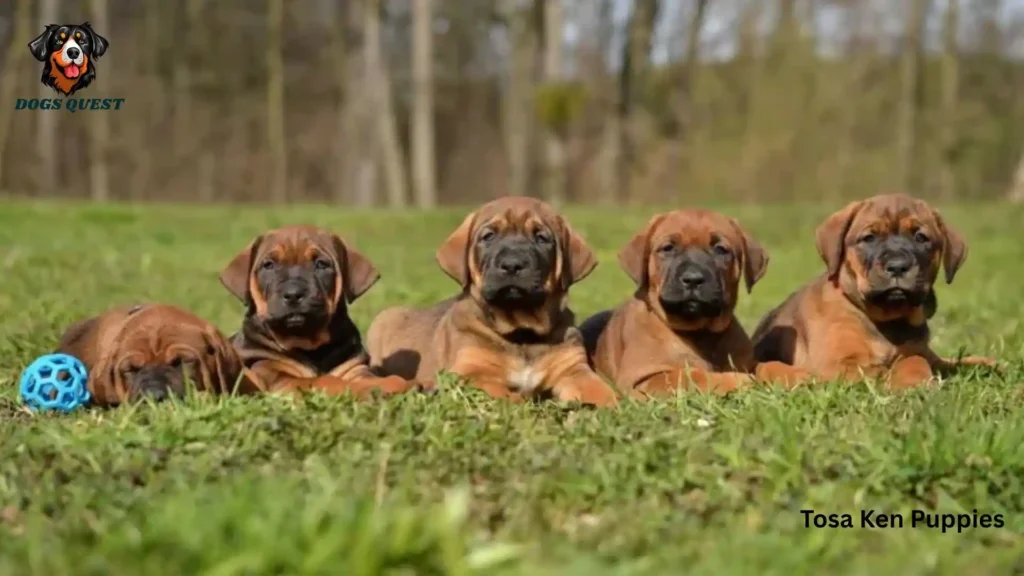
Because Tosa Ken puppies will grow into very large dogs, their nutrition and growth must be managed carefully. Overfeeding or too rapid growth can contribute to joint problems and other structural issues. A high-quality large-breed puppy food, appropriate portion sizes, and veterinary guidance are key to helping your puppy grow at a healthy rate.
Common health issues to monitor
Some of the health concerns for adult Tosa Ken include joint disorders (like hip dysplasia), weight gain/obesity, and the general issues associated with large breeds. As you raise your Tosa puppies, you’ll want to keep up with regular vet checkups and vaccinations, early screening for hip/elbow issues, monitoring weight and proper grooming habits.
Grooming, coat care & general maintenance
The coat of the breed is short, dense and relatively easy to care for. With Tosa puppies, you’ll want to implement regular brushing, occasional baths with mild shampoo, and early nail trimming, ear cleaning and dental care. Grooming should begin young so they’re used to being handled confidently.
Training Tips for Tosa Ken Puppies
Establishing leadership and routine
From day one, consistency is your best friend. With Ken puppies, establishing you as the calm, confident leader helps prevent behavior issues later. Set a daily routine for mealtimes, exercise, training and rest. Routines help puppies feel safe, and large breeds especially benefit.
Positive reinforcement & early obedience
Use positive reinforcement: treats, praise, play. Focus on early basic commands: sit, stay, down, come, leash walking. For Tosa puppies, capturing attention early while they’re still more manageable (in size) will pay dividends. Puppy classes can help with obedience and socialization.
Handling size and strength responsibly
As your puppy grows, their power increases. For Tosa Ken puppies, it’s vital they learn leash manners and that you maintain control. A habit of pulling or jumping will become a big issue when they weigh 100 + lbs. Teach manners early and continue exposure to different people and dogs safely.
Finding a Responsible Breeder for Tosa Ken Puppies

Why breeder matters
Because of the size, strength and special considerations of the breed, choosing a responsible breeder for Tosa puppies is extremely important. A good breeder will focus on health, temperament, and socialization—not just looks or profit.
What to ask and check
When evaluating a breeder, ask for health clearances (hips, elbows, joints) and parent temperaments. Visit the facility if possible and see how puppies are raised. Ensure the breeder educates you about the breed and offers lifetime support. Ask for pedigree, registration and health guarantees.
Breed restrictions and legal considerations
Be aware that in some regions, the breed (or dogs of Tosa type) may be restricted due to historical fighting associations. Before acquiring Tosa puppies, check local laws, insurance and regulations to ensure compliance.
Pros & Cons of Tosa Ken Puppies
The advantages
Welcoming Tosa puppies offers great rewards: loyal companionship, strong protective instincts, calm temperament and minimal grooming needs.
The challenges
However, challenges exist: large size, high training needs, strong protective nature, potential legal restrictions and not being ideal for novice owners. Commitment and experience are key.
Is a Tosa Ken puppy right for you?
Ask yourself: Do you have experience with large dogs? Do you have the space and time for consistent training? Are you aware of local breed laws? If yes, Tosa puppies can be deeply rewarding.
How to Raise Tosa Ken Puppies into Well-Rounded Adults
Continued socialization and enrichment
Once home, continue exposing your Tosa puppies to new sights, sounds, people and pets. Keep experiences positive. Avoid overwhelming them but reward curiosity and calmness.
Consistent reinforcement and boundaries
Large dogs thrive on structure. For Tosa puppies, reinforce commands daily and maintain clear boundaries for play, greeting guests, and indoor manners. Consistency prevents confusion and behavioral issues.
Transitioning into adulthood
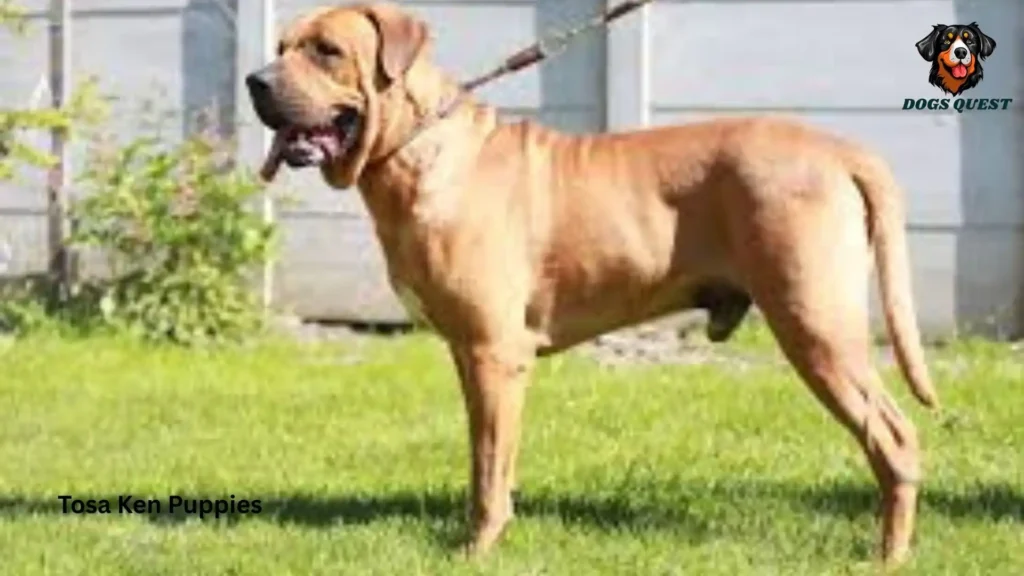
As Tosa puppies mature (18–24 months), strength increases and playfulness settles. Adjust exercise and mental challenges accordingly—advanced obedience, scent games, or protection sports can help keep them balanced.
Final Thoughts on Tosa Ken Puppies
Bringing home Tosa puppies is a decision that requires awareness, commitment and care. With the right training, nutrition and socialization, these dogs can be loyal, calm and protective companions. The puppy stage is your foundation—invest time, provide leadership, and ensure responsible ownership. When properly raised, Tosa puppies grow into noble adults who embody courage, loyalty, and grace.
Because of their powerful build and historical background as Japanese fighting dogs, Tosa Ken puppies are subject to breed restrictions in many parts of the world. In countries like the UK, Australia, and Denmark, owning or importing a Tosa is banned, while others such as France, Germany, and parts of the U.S. allow ownership only under strict regulations, including licensing, insurance, and muzzling in public. These laws are meant to promote safety and responsible ownership, not to punish the breed itself. Before buying or importing Tosa Ken puppies, always research your local and national laws to ensure compliance and to provide your dog with a safe, legal, and secure home.
Frequently Asked Questions
Q1: How big do Tosa Ken puppies grow?
Adult Tosa Ken dogs are large—21.5–23.5 inches at the shoulder, weighing 100–200 pounds. Expect significant growth during the first year.
Q2: Are Tosa Ken puppies good with children?
Yes, Tosa Ken puppies can be wonderful with children if raised gently with supervision. Due to their size, always supervise play to prevent accidental harm.
Q3: Are Tosa Ken puppies aggressive toward other dogs?
Because of their history, Tosa Ken puppies need careful, positive introductions to other dogs. Early socialization prevents aggression and builds confidence.
Q4: What is the cost of Tosa Ken puppies?
Prices vary widely depending on region and breeder quality, but Tosa Ken puppies are generally expensive to purchase and maintain due to their size and specialized care. Always budget for lifelong expenses like food, healthcare, and gear.