
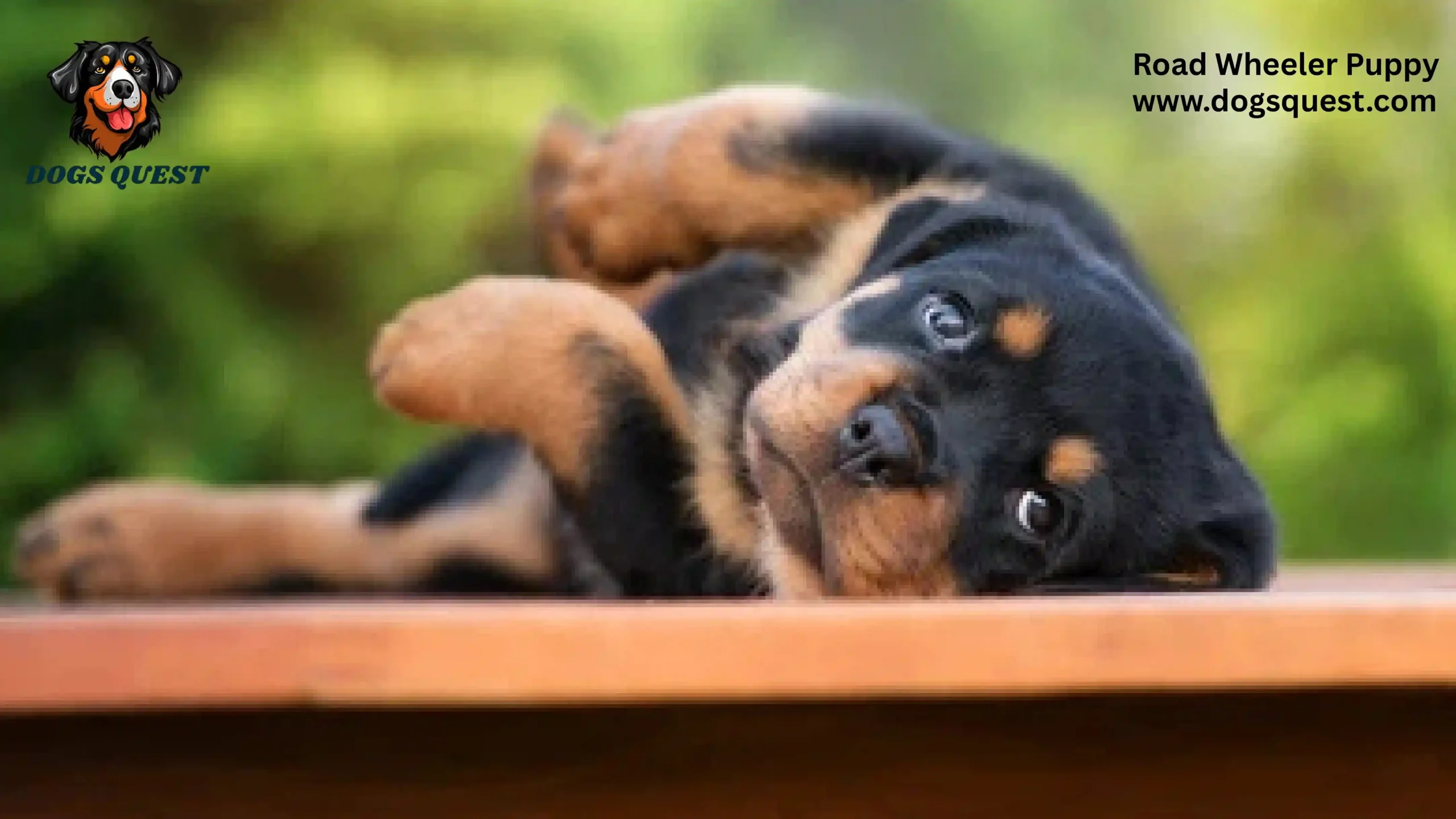
Meet the adorable Road Wheeler Puppy! Discover 7 fun facts, expert training tips, and health insights that make this energetic pup truly unforgettable
Road Wheeler Puppy: 7 Amazing Facts You Must Know Today!
When you first hear the name road puppy, it instantly brings to mind an image of a strong, energetic, and adventurous dog with a heart full of loyalty. Whether you’re a new dog lover or an experienced pet owner, this breed has a lot to offer. Known for their intelligence, strength, and affectionate personality, road wheeler puppies have become a favorite among families and active individuals. In this comprehensive guide, we’ll dive deep into everything you need to know about the wheeler puppy — from its origins and personality to its care, training, and health. Let’s explore why this energetic four-legged friend could be your perfect match.
What Is a Road Wheeler Puppy?

The road wheeler puppy is often recognized for its robust build, confident stance, and loving nature. Many believe that this breed is closely related to working dogs, which is why it’s known for its stamina and courage. These puppies grow into powerful yet affectionate dogs that thrive on companionship and physical activity. The wheeler puppy loves being part of a pack — whether it’s your family or other pets in your home.
A Brief History
While the exact origins of the puppy aren’t universally documented, it’s thought to have roots in regions where dogs were bred for protection and endurance. Early versions of this breed may have helped farmers and travelers by guarding goods and providing companionship during long journeys on rough roads — hence the name “road wheeler.”
Physical Characteristics
The wheeler puppy is often medium to large in size, with a muscular frame and expressive eyes. Their coat can vary in color, commonly appearing in black, tan, or mixed patterns. The fur is dense and water-resistant, making it suitable for various climates. A fully grown wheeler puppy typically weighs between 70 to 100 pounds and has an impressive physical presence. Despite their size, they are graceful and alert, always ready to play or protect their loved ones.
Personality Traits of the Road Wheeler Puppy
One of the most lovable qualities of the wheeler puppy is its vibrant personality. They are intelligent, confident, and incredibly loyal — traits that make them both excellent pets and reliable working dogs.
Energetic and Playful
The wheeler puppy thrives on activity. Whether it’s running, hiking, or simply chasing a ball, this pup needs daily exercise to stay happy and healthy. Their energy level is high, and they enjoy challenges that engage both their body and mind.
Intelligent and Trainable
Training a wheeler puppy can be a joyful experience. They are quick learners and respond positively to consistent, reward-based training. Their intelligence allows them to grasp commands quickly, making them suitable for obedience training and even agility sports.
Loyal and Protective
This puppy forms strong bonds with its family. The wheeler puppy is naturally protective, making it a dependable guardian. However, early socialization is key to ensuring they remain friendly and well-mannered around strangers and other pets.
How to Care for a Road Wheeler Puppy

Taking care of a road wheeler puppy involves a balance of nutrition, exercise, grooming, and affection. Let’s go over each aspect to ensure your pup thrives in your home.
Nutrition and Feeding Tips
Feeding a road wheeler puppy a high-quality diet is essential for its growth and energy needs. Look for protein-rich foods that support muscle development. Fresh meats, whole grains, and vegetables can form the foundation of their meals. Puppies usually need 3–4 small meals a day until they mature, after which 2 meals are sufficient. Always consult your veterinarian to adjust the diet according to your puppy’s age and health.
Exercise Requirements
Because of their high stamina, road wheeler puppies need at least 60 minutes of exercise daily. Activities like jogging, swimming, or fetch games help keep them mentally and physically fit. Without enough exercise, the road wheeler puppy can become restless or bored, which may lead to unwanted behaviors like chewing or barking.
Grooming and Hygiene
The road wheeler puppy has a short-to-medium-length coat that’s easy to maintain. Weekly brushing helps remove loose fur and keeps the coat shiny. Bathe your puppy only when necessary to avoid drying out their skin. Regular nail trimming, ear cleaning, and dental care are equally important for maintaining their overall hygiene.
Training Your Road Wheeler Puppy the Right Way
Proper training is crucial for developing your road wheeler puppy into a well-behaved adult. The earlier you start, the better your results.
Start with Basic Commands
Teach basic commands such as sit, stay, come, and heel. Use positive reinforcement — treats, praise, and playtime — to encourage your puppy’s good behavior. The road wheeler puppy loves to please its owner, which makes training sessions productive and fun.
Crate and House Training
Crate training helps create a sense of security for your puppy. It also assists in housebreaking. Keep training sessions short and positive, never using the crate as punishment. The road wheeler puppy quickly learns to associate it with comfort and safety.
Socialization Is Key
Expose your road wheeler puppy to various people, pets, sounds, and environments early on. This prevents fear or aggression issues later. Dog parks, puppy playgroups, and walks around the neighborhood are excellent opportunities for socialization.
Common Health Issues in Road Wheeler Puppies

Like all breeds, the road wheeler puppy can be prone to certain health problems. Understanding these can help you take preventive steps early.
Hip and Joint Issues
Due to their size and active lifestyle, road puppies may develop hip dysplasia or joint stiffness as they age. Regular vet check-ups, proper diet, and joint supplements can help reduce these risks.
Eye and Skin Conditions
Some road wheeler puppies are sensitive to environmental allergens, leading to itchy skin or watery eyes. Regular grooming and clean living spaces can prevent irritation.
Heart Health
A balanced diet rich in omega-3 fatty acids supports cardiovascular health. Keep an eye on your road wheeler puppy’s weight to avoid strain on the heart and joints.
Why the Road Wheeler Puppy Makes a Great Family Pet
The road puppy isn’t just a loyal companion; it’s a joyful addition to any family.
Excellent with Kids
These puppies are gentle and patient with children. With proper socialization, the road wheeler puppy becomes a protective yet affectionate playmate for kids of all ages.
Adaptable and Intelligent
Whether you live in a house with a big yard or an apartment with daily walks, the road puppy adapts easily. Its intelligence and eagerness to learn make it one of the most adaptable breeds.
Perfect Adventure Buddy
If you love outdoor activities, the road puppy will happily join you on hikes, runs, or road trips. They’re called “road wheelers” for a reason — they love exploring!
Tips for First-Time Road Wheeler Puppy Owners
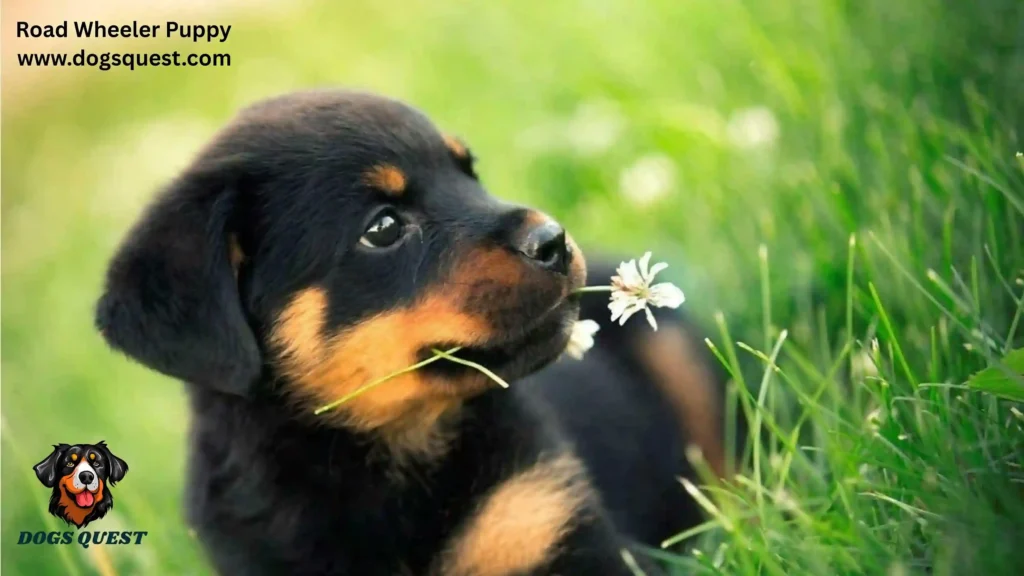
Owning a road wheeler puppy for the first time can be exciting and challenging. Here are some practical tips to make the experience smoother.
- Create a routine: Puppies thrive on consistency. Feeding, walking, and playtimes should be at regular hours.
- Positive reinforcement: Always reward good behavior — it builds trust and encourages learning.
- Early vet visits: Regular check-ups and vaccinations are essential for keeping your road puppy healthy.
- Invest in quality toys: Since they are active and smart, toys that engage both mind and body are best.
- Love and patience: Remember, your puppy is learning. Stay patient, kind, and consistent.
The Lifespan and Long-Term Care of a Road Wheeler Puppy
With proper care, the road wheeler puppy can live up to 10–14 years. Maintaining a healthy diet, routine exercise, and regular vet care ensures a long, happy life.
Senior Care Tips
As your road wheeler puppy grows older, their exercise needs will reduce slightly, but mental stimulation remains crucial. Regular vet visits become even more important to monitor joint health and weight.
Final Thoughts
The road wheeler puppy is an incredible mix of strength, intelligence, and affection. Whether you’re looking for a loyal guard dog or a playful companion, this breed offers the best of both worlds. From their spirited energy to their loving hearts, road puppies bring joy and companionship that last a lifetime. If you’re ready for a furry friend who will be your protector, workout buddy, and loyal family member, adopting a road wheeler puppy might just be the best decision you ever make.
Frequently Asked Questions (FAQs) About the Road Wheeler Puppy
Q1: What is a road wheeler puppy known for?
A road puppy is known for its strength, loyalty, and playful energy. It’s a highly intelligent breed that loves outdoor adventures, making it an excellent choice for families and active individuals who enjoy exercise and companionship.
Q2: Are road wheeler puppies easy to train?
Yes, the wheeler puppy is very intelligent and responds well to positive reinforcement training methods. With consistency, rewards, and early socialization, they quickly learn commands and behaviors, becoming well-mannered family pets.
Q3: How much exercise does a road wheeler puppy need?
A road puppy needs at least 60 minutes of daily exercise to stay healthy and happy. Activities such as walks, play sessions, and agility training help burn off their energy and prevent boredom-related behavior issues.
Q4: What should I feed my road wheeler puppy?
Feed your road puppy a high-quality, protein-rich diet that supports growth and energy levels. Include lean meats, whole grains, and vegetables. Always consult a veterinarian to choose the right portion sizes and nutrients for your puppy’s age and size.
Q5: Are road wheeler puppies good with children and other pets?
Absolutely! With proper socialization, the road puppy is gentle, patient, and loving toward children and other pets. Their protective yet affectionate nature makes them a wonderful addition to family homes.