
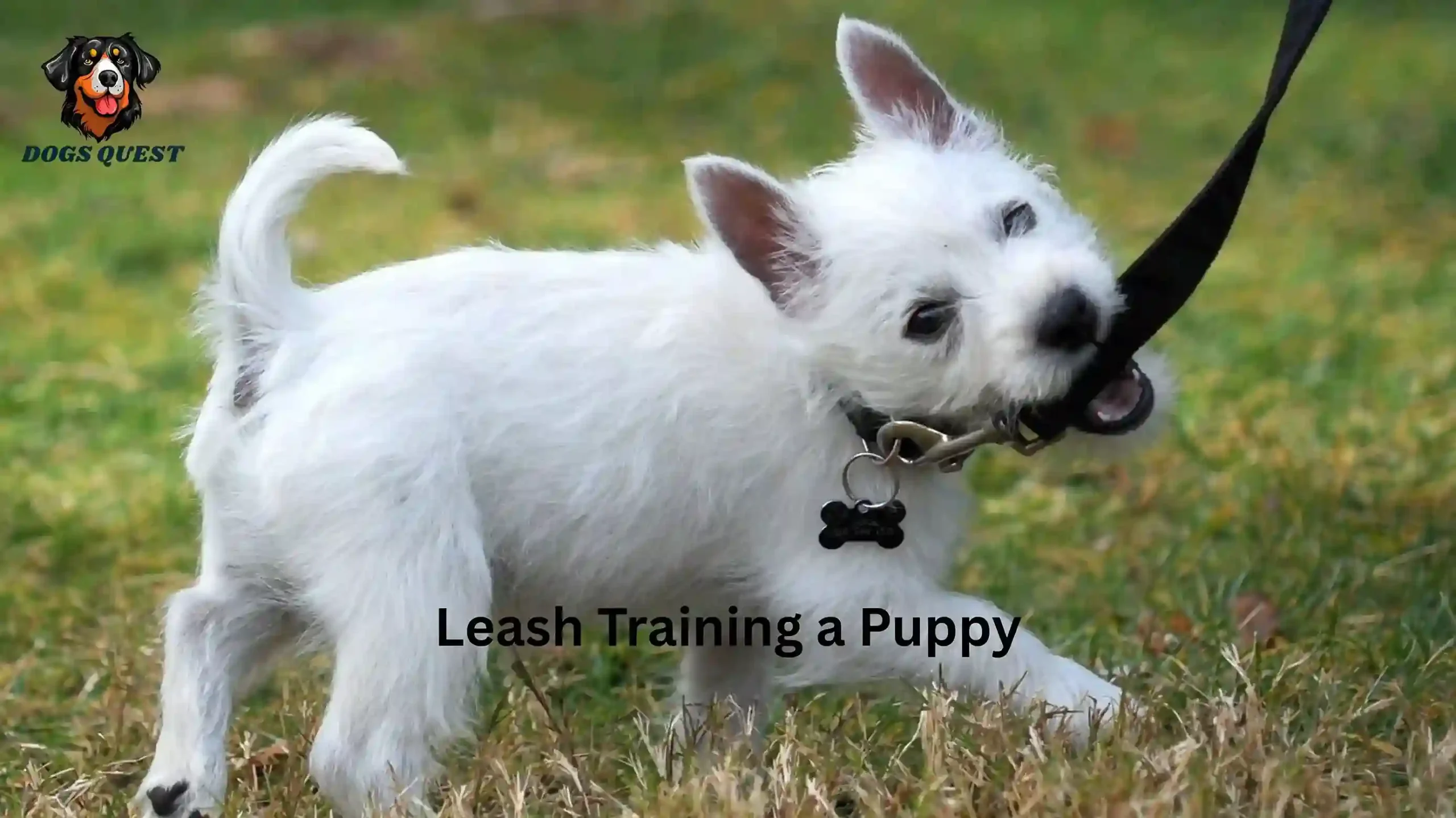
Leash training a puppy doesn’t have to be stressful. Discover 10 proven tips for leash training a puppy with positive methods. Learn how to stop pulling, teach walking manners, and enjoy stress-free walks with your pup.
Introduction
Bringing home a new puppy is an exciting moment, but one challenge almost every dog owner faces is leash training a puppy. Puppies are naturally curious, energetic, and sometimes stubborn. Without proper leash manners, your daily walks can quickly turn into tug-of-war battles instead of fun bonding experiences.
The good news? With patience, consistency, and the right techniques,a puppy can be simple and rewarding. In this guide, you’ll learn everything from why leash training matters, how to start, and proven methods to stop pulling so you can enjoy peaceful walks.
Why Leash Training a Puppy Is Essential
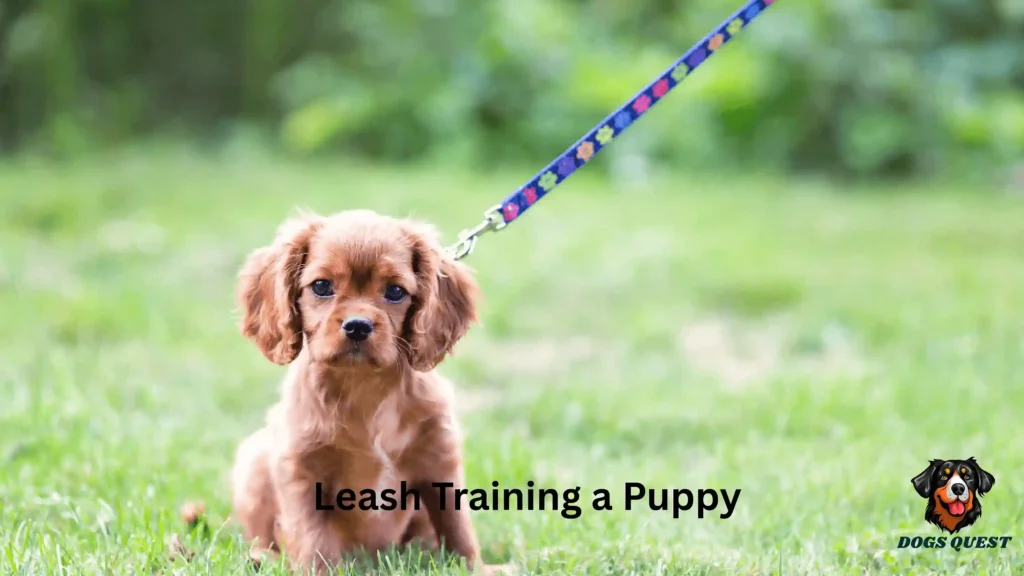
A puppy isn’t just about good behavior—it’s about safety, bonding, and long-term success.
- Safety: Puppies who lunge or pull may run into dangerous situations like traffic.
- Control: Leash training gives you confidence when taking your dog outdoors.
- Bonding: Walks become a shared experience instead of a stressful chore.
- Socialization: A leash-trained puppy is calmer when meeting new people, dogs, or environments.
By starting early, leash training a puppy becomes second nature, preventing bad habits from forming.
When to Start Leash Training a Puppy
Many new dog parents ask: When is the right time to begin leash training a puppy?
Experts recommend beginning as soon as your pup is comfortable with its new home, usually around 8–10 weeks of age. At this age, puppies are adaptable and eager to learn. Starting early makes the process smoother compared to correcting bad behaviors later.
What You Need Before Leash Training a Puppy
Before you start, gather the right tools to make training easier:
- Lightweight leash (4–6 feet): Avoid retractable leashes for puppies, as they encourage pulling.
- Comfortable harness or collar: A no-pull harness is ideal for teaching manners.
- High-value treats: Small, soft treats are perfect rewards.
- Patience and consistency: Your puppy will need time to adjust.
10 Proven Tips for Leash Training a Puppy
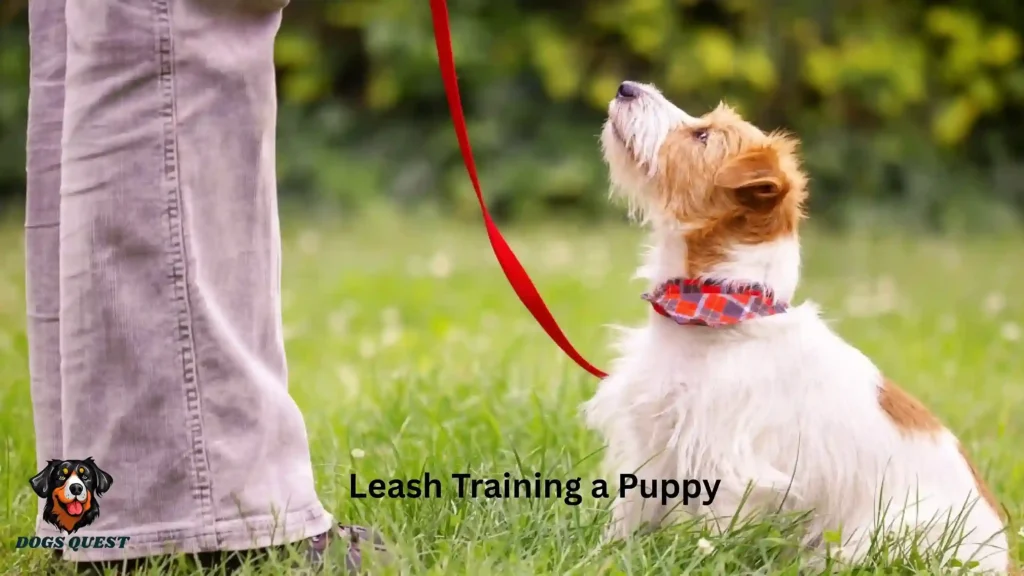
Introduce the Leash Indoor
Start leash training a puppy in a distraction-free environment. Clip the leash on indoors and let your puppy walk around freely while supervised. This helps them get used to the new feeling without pressure.
Use Positive Reinforcement
Every time your puppy walks calmly on the leash, reward them with praise or a small treat. Leash training a puppy works best when they associate the leash with positive experiences.
Practice Short Sessions
Keep early training sessions short—just 5 to 10 minutes. Puppies have limited attention spans, and short sessions help prevent frustration.
Start in a Quiet Area
Once your puppy is comfortable indoors, move outside to a calm environment like your backyard or a quiet street. Gradually introduce more distractions as they progress.
Teach the “Follow Me” Command
Walk a few steps ahead, gently calling your puppy. When they follow without pulling, reward them. This technique is key in leash training a puppy to stay by your side.
Stop When They Pull
If your puppy pulls, stop walking immediately. Stand still until they return to you or release tension on the leash. This teaches them pulling gets them nowhere, while calm walking gets them forward movement.
Encourage Loose Leash Walking
Keep slack in the leash and reward your puppy for walking without tension. Over time, they’ll understand loose leash walking leads to more enjoyable outings.
Introduce Distractions Slowly
Leash training a puppy isn’t just about walking—it’s about teaching them to stay calm around distractions like other dogs, cars, or noises. Gradually expose them to these situations and reward calm behavior.
Be Consistent with Commands
Use the same words like “heel,” “let’s go,” or “stop” every time. Consistency is crucial in leash training a puppy because dogs learn through repetition.
End on a Positive Note
Always finish each session with success. Even if it’s just a few calm steps, praise your puppy and reward them. This ensures they look forward to the next walk.
Common Mistakes to Avoid in Leash Training a Puppy
Even with the best intentions, many owners make mistakes. Here are the most common errors to avoid:
- Using retractable leashes: They encourage pulling.
- Punishing pulling: Harsh corrections can cause fear.
- Long, stressful sessions: Puppies learn better in short bursts.
- Inconsistency: Different commands or rules confuse your puppy.
How Long Does It Take to Leash Train a Puppy?

Leash training a puppy varies depending on age, breed, and personality. Some puppies may catch on within a week, while others may take a few months. With patience, consistency, and positive reinforcement, you’ll see steady progress.
Benefits of Leash Training Beyond Walking
Once you’ve mastered leash training a puppy, the benefits extend beyond walks:
- Better obedience at home and outside
- Improved focus on commands
- Easier vet visits and grooming sessions
- Stronger bond between you and your dog
Troubleshooting Leash Training Challenge
If you encounter roadblocks while leash training a puppy, here’s how to handle them:
Distraction overload: Start in calm areas, then build up to busier locations.
Puppy refuses to move: Use treats to encourage forward steps.
Excessive pulling: Try a no-pull harness.
Fear of leash: Introduce it gradually with rewards.
Conclusion
Leash training a puppy may seem challenging at first, but with patience, positive reinforcement, and consistency, it becomes an enjoyable process. By starting early and using proven methods, you’ll raise a well-mannered pup who enjoys every walk by your side.
Remember: the goal of leash training a puppy isn’t perfection overnight—it’s progress. Celebrate small wins, avoid common mistakes, and enjoy the journey of growing with your furry companion.
FAQs Related To leash puppy training
Q1: When should I start leash training a puppy?
You can start leash training a puppy at about 8 weeks of age. At this stage, they are curious and quick learners, making it easier to create good habits. Keep sessions short, positive, and fun to build a strong foundation.
Q2: How long does leash training a puppy take?
Most puppies learn basic leash manners within 4–6 weeks if you train daily with patience and consistency. Some may take longer depending on breed and temperament, but regular short sessions bring steady progress.
Q3: What if my puppy keeps pulling on the leash?
If your puppy pulls, stop walking and wait until the leash is loose. Reward them when they return to your side, teaching that calm walking brings rewards. This method discourages pulling without harsh corrections.
Q4: Should I use a collar or a harness for leash training a puppy?
A no-pull harness is recommended for beginners because it gives you better control and reduces strain on your puppy’s neck. Collars are fine for older, trained dogs, but harnesses are safer and more comfortable for puppies.
Q5: How can I make leash training a puppy fun?
Keep training enjoyable by using treats, toys, and praise to reward good behavior. Start with short walks and gradually increase the time. Changing routes and adding play makes your puppy look forward to every walk.