
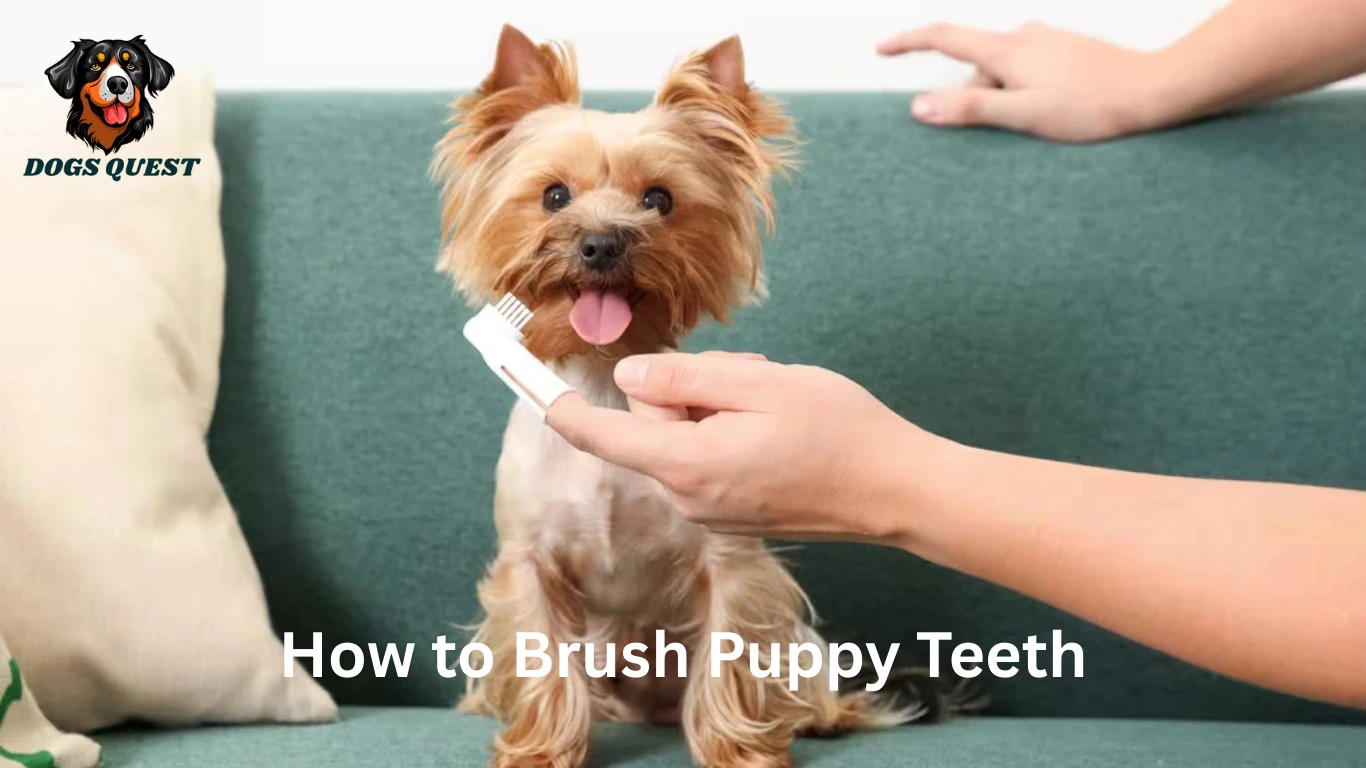
Learn how to brush puppy teeth step by step with this complete guide. Discover the best tools, techniques, and tips to keep your puppy’s teeth clean, prevent dental problems, and build lifelong healthy habits.
Introduction
Bringing a new puppy home is one of life’s most joyful moments. Puppies fill our lives with excitement, love, and endless cuddles. But along with playtime and training, there’s one area of puppy care many owners forget about—dental health.
Did you know that by the age of three, most dogs show signs of dental disease? This is why brushing your puppy’s teeth early is so important. A proper dental routine prevents bad breath, gum disease, and painful infections. Plus, starting early makes brushing easier as your puppy grows.
In this guide, we’ll walk you through everything you need to know about how to brush puppy teeth—choosing the right toothbrush, step-by-step techniques, common mistakes to avoid, and ways to make brushing fun for your furry friend.
Why Brushing Puppy Teeth Matters
Puppies are naturally curious, and while chewing on toys helps, it’s not enough to keep their teeth clean. Food particles and bacteria can build up, leading to:
- Plaque and tartar buildup
- Bad breath (halitosis)
- Gum disease (gingivitis)
- Painful infections or tooth loss
Just like humans, dogs need dental care. Brushing your puppy’s teeth regularly:
- Keeps their mouth healthy
- Prevents expensive vet bills later
- Helps your puppy stay happy, comfortable, and energetic
When to Start Brushing Puppy Teeth
The best time to start brushing is as soon as your puppy comes home (around 8–12 weeks old). Puppies are fast learners, and starting early gets them used to the feeling of brushing.
At first, you may only need to get your puppy comfortable with the toothbrush and toothpaste. Full brushing sessions can come later as they grow more relaxed.
Tools You’ll Need to Brush Puppy Teeth
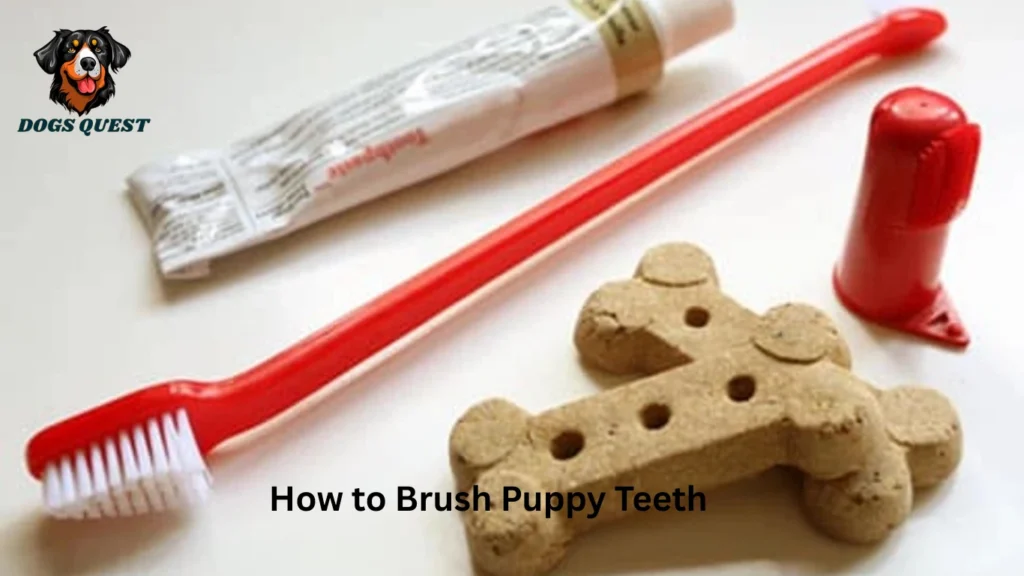
Before you begin, make sure you have the right supplies:
1. Puppy Toothbrush
- Use a soft-bristled toothbrush designed for puppies.
- You can also try finger toothbrushes that slip over your finger for better control.
2. Dog Toothpaste
- Only use dog-safe toothpaste.
- Human toothpaste contains fluoride, which is toxic to dogs.
- Flavors like chicken, beef, or peanut butter make brushing more fun for your pup.
3. Treats and Rewards
- Keep small treats handy to reward your puppy after brushing.
- Positive reinforcement helps them associate brushing with happy moments.
4. A Calm Environment
- Choose a quiet, comfortable spot where your puppy feels safe.
- Avoid starting when your puppy is overly excited or tired.
Step-by-Step Guide: How to Brush Puppy Teeth
Here’s a simple method to make brushing stress-free:
Get Your Puppy Comfortable
Sit in a calm spot and gently hold your puppy. Let them sniff the toothbrush and toothpaste so they don’t see it as scary.
Introduce the Toothpaste
Place a little dog-safe toothpaste on your finger and let your puppy lick it. This helps them get used to the taste.
Start with Gentle Touches
Use your finger or toothbrush to gently rub your puppy’s gums and teeth. Don’t worry about doing it perfectly at first—just focus on building comfort.
Brush in Small Circles
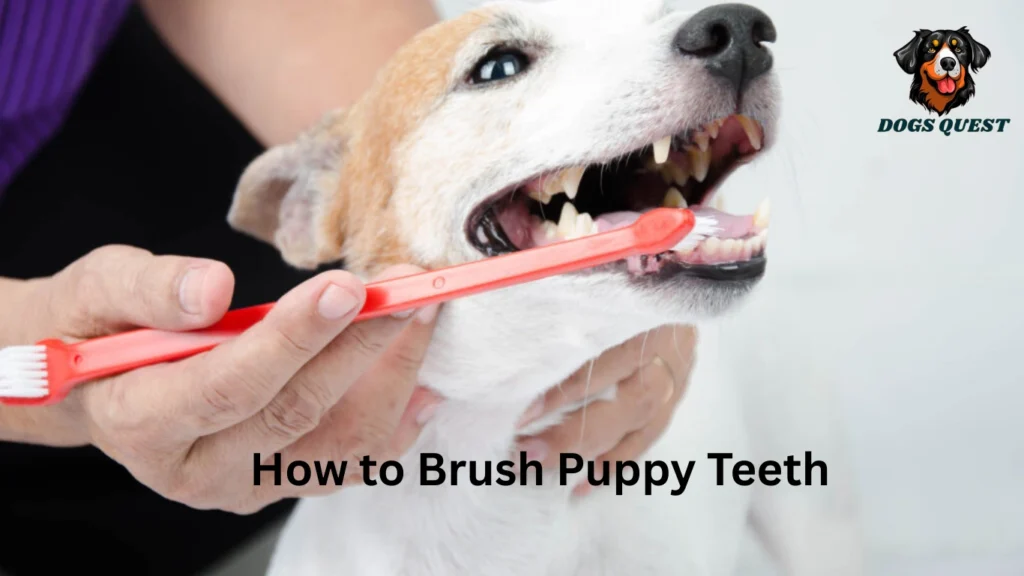
Hold the toothbrush at a 45-degree angle and brush in gentle, circular motions. Focus on the outer surfaces of the teeth (the ones against the cheeks), as that’s where plaque builds up the most.
Keep Sessions Short
Start with 30–60 seconds per session. As your puppy gets used to brushing, gradually increase the time.
Reward and Praise
After brushing, praise your puppy and give them a treat or extra playtime. This positive reinforcement makes brushing a fun experience.
Why Learning How to Brush Puppy Teeth Matters
If you’re wondering how to brush puppy teeth, the answer is simple: start early and stay consistent. Puppies may be small, but their dental health plays a huge role in their overall well-being. Just like people, dogs can develop plaque, tartar, and gum disease if their teeth are not properly cared for. Brushing your puppy’s teeth a few times a week can prevent these issues and keep their mouth clean and healthy.
When you begin brushing at a young age, your puppy quickly becomes used to the process, making it less stressful for both of you. Start slowly by letting your puppy sniff and taste the toothbrush or finger brush. Always use dog-friendly toothpaste—never human toothpaste—as it’s specially made to be safe for pets.By building a simple routine, you can avoid bad breath, painful dental problems, and even expensive vet treatments later on. The key is patience and positive reinforcement. Praise and reward your puppy after every brushing session to create a positive association. Learning how to brush puppy teeth may take time, but the results are well worth it—a healthier, happier dog with a bright smile.
How Often Should You Brush Puppy Teeth?
Ideally, brush your puppy’s teeth daily. If that feels overwhelming, aim for at least 3–4 times per week. The more consistent you are, the healthier your puppy’s mouth will be.
Tips to Make Brushing Easier
- Be patient—brushing is a new experience for your puppy.
- Keep a calm voice and avoid rushing.
- Make brushing part of your daily routine, like after dinner or before bedtime.
- Use flavored toothpaste your puppy enjoys.
- Start small and gradually work up to full brushing sessions.
Common Mistakes to Avoid
Using human toothpaste (toxic to dogs).
- Brushing too hard—this can hurt your puppy’s gums.
- Forcing your puppy when they’re scared or restless.
- Skipping brushing until they’re older (start early).
- Forgetting rewards—puppies learn best with positive reinforcement.
Alternatives to Brushing Puppy Teeth
While brushing is the gold standard, you can also support dental health with:
- Dental chews and toys designed to reduce plaque and tartar
- Dental wipes for quick cleanings on busy days
- Water additives that help freshen breath and reduce bacteria
- Professional vet cleanings if buildup becomes severe
Signs of Dental Problems in Puppies
Keep an eye out for these warning signs:
- Persistent bad breath
- Red, swollen, or bleeding gums
- Excessive drooling
- Reluctance to eat hard food or chew toys
- Loose or broken Puppy Teeth
If you notice any of these, schedule a vet check-up right away.
Long-Term Benefits of Puppy Dental Care
By brushing your puppy’s teeth regularly, you’re investing in their long-term health. Benefits include:
- Strong, healthy teeth for life
- Lower risk of gum disease and infections
- Fresher breath for more puppy kisses
- Reduced vet bills for dental treatments
- A happier, more comfortable pup
Final Thoughts
Brushing your puppy’s teeth might feel tricky at first, but with patience and consistency, it can become a positive part of your daily routine. Starting early not only keeps your puppy’s teeth healthy but also prevents painful dental problems in the future.
Remember:
- Use dog-safe toothpaste and a soft toothbrush
- Brush gently and consistently
- Reward your puppy after each session
With love, patience, and practice, you’ll give your puppy the gift of a healthy, happy smile for years to come.
FAQs About Brushing Puppy Teeth
Q1. At what age should I start brushing my puppy’s teeth?
You can start as early as 8–12 weeks old to help your puppy adjust.
Q2. How often should I brush my puppy’s teeth?
Daily brushing is best, but aim for at least 3–4 times per week.
Q3. Can I use human toothpaste for my puppy?
No. Human toothpaste is toxic to dogs. Always use dog-specific toothpaste.
Q4. What if my puppy refuses brushing?
Start slow—let them lick the toothpaste, gently touch their gums, and reward with treats. Patience is key.
Q5. Are dental chews enough instead of brushing?
Dental chews help, but they cannot replace brushing. Think of them as a supplement, not a substitute.