
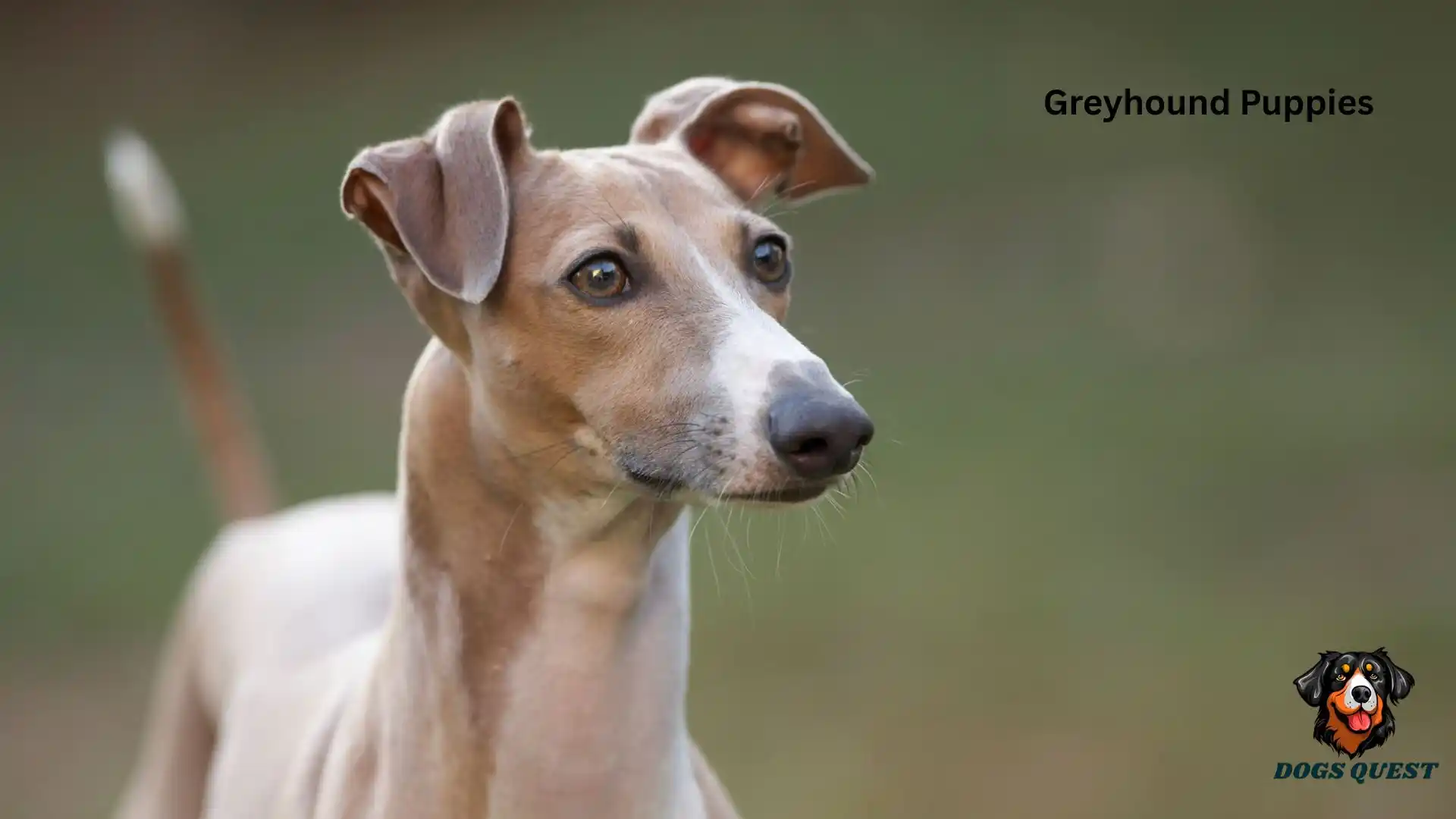
From their soulful eyes to their sweet nature, discover why greyhound puppies melt hearts. Learn care, training, and health tips from experts.
Introduction:
Few dog breeds can match the blend of beauty, fastness and soft love that grey hound puppies introduce in a house. These puppies are a lot more than racing legends as they are known to be smooth built and warm hearted. They are very sensitive, loving, and very loyal pets and love to belong to a family.
It is a full guide to the greyhound puppies, their history, appearance, temperament, diet, training and how to keep them as pups and adults. You are ready to adopt a greyhound puppy or merely interested in learning more about dogs, this article will provide you with all the details.
The History and the Origin of the Puppies of the racehopes
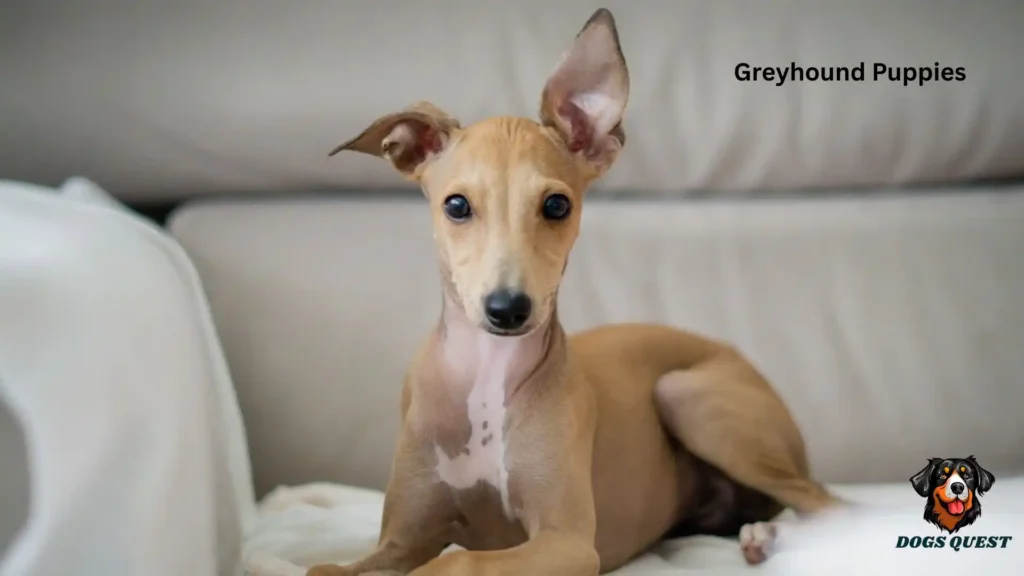
The greyhound puppies started thousands of years ago in Ancient Egypt. There are historical carvings and paintings depicting this period which illustrate the thin dogs with long legs and pointed faces – the predecessors of the modern day greyhound. Egyptian pharaohs and nobles valued these dogs due to their beauty, hunting prowess, as well as faithfulness.
Greyhounds had moved throughout the centuries in Europe and were loved by kings and nobles. They were applied in hunting deer and hares due to their unbelievable speed and vision. They were associated with royalty and hence the name which was the noble dog. Owning a greyhound had at one time in England been a privilege of the upper classes.
Greyhounds developed with time to become famous racing dogs. Nevertheless, recent decades have seen an increasing number of individuals resorting to adopting retired racers or keeping the greyhound puppies as pets in the family. Their peaceful disposition, silence and affectionate character render them ideal companions at present day residences.
Why are the Puppies of the grey hounds so Special?
Greyhounds are very beautiful looking animals with long legs, a deep chest, narrow waist and an aerodynamic head. Their graceful build even as puppy greyhounds points to their amazing athletic possibilities. In spite of this sportive figure, they are rather tender and easygoing.
Greyhound puppies have one of the best qualities, which is their temperament. They have been characterized as sensitive and loving. They become attached to their human families too soon and demand attention and love. It is surprising to note that greyhounds are not hyperactive as many people imagine. They can run very fast out of doors, but are lazy and restless indoors, and have the reputation of being the 45-mph couch potato.
Due to their level temperament, greyhounds pups get along with the children and other pets, provided they are introduced to socialization at an early age. They are not considered to be aggressive and they like to be peaceful and comfortable than to be chaotic. Their non-noise, affectionate nature renders them the best choice among families, individuals or even elderly people seeking a tender companion.
The Ideal Diet to Fatigued Greyhound Puppies.
Proper feeding of greyhound puppies would be important to their development and their health in the long run. These are lean bodied dogs and therefore their diet must be both rich with nutrients and not high on calorie content. Proteins of high quality like chicken, turkey or fish are considered the best types of food to build muscles. They are also lucky to have healthy fats such as salmon oil or flax seed oil to sustain their skin and coat.
They get slow-lasting energy without getting digestive disturbance, as these carbohydrates include brown rice, oats, or sweet potatoes. Due to the sensitivity of greyhound stomachs it is better to not feed it on cheap dog food with artificial additives, fillers and preservatives. Rather, select high-quality puppy food that is formulated directly to meet the needs of middle and large-sized dogs.
In the case of feeding schedule, greyhound pups are better fed in three small meals per day than taking a single big meal. This aids in energy retention and also avoiding bloating which greyhounds tend to develop. Always make water fresh and do not feed dogs foods such as chocolate, grapes, onions or any food that may have been soaked in large amounts of salt or spices which are toxic to the dogs.
How to train the right way to Greyhound Puppies

Greyhound puppy training may be a fulfilling affair as long as it is carried out with patience and positive reinforcement. These are smart but sensitive puppies. The use of harsh words or punishment may cause them to be anxious as well as withdrawn. Rather, praise, soft tones, and small gifts should be used to encourage positive behavior. This creates an atmosphere of trust and makes them learn at an accelerated pace.
One of the most crucial sections of raising greyhound puppies is socialization. Around a tender age, expose them to new sounds, surroundings and individuals. Expose them to other dogs so that they would grow up knowing they are safe and comfortable in any environment. In the absence of good socialization, greyhounds would be shy or timid.
Grey hounds are long and tedious to potty train. Get them out as much as possible, particularly after meals or naps, and give them a reward when they come in the right place. Crate training may be useful as well. It provides them with a secure place to sleep and trains them to have restraint. Also, it is important to keep things consistent and kind-hearted – greyhounds are most accommodating to routine schedules.
Rearing of the Greyhound Puppies: Care and upkeep.
Greyhounds are characterized by short and fine fur which does not need much grooming. The greyhound puppies just require brushing every week with a soft brush to make them look smooth and shiny. They are sensitive to cold weather, since they have thin coats, and have not much body fat. During the winter, they should be dressed in the soft sweater or coat during their walks.
Another need in their health care is dental care. Clean their teeth twice or thrice a week to avoid studding of tartar and gum diseases. Nails also need to be trimmed on a regular basis since long nails may cause discomfort to the person when walking or cause joint problems.
The dog must be bathed once in four to six weeks with a shampoo which is gentle yet safe on the dog. Greyhounds also possess delicate skin, thus, they should not be overbathed or bathed with harsh soaps. Wash them and dry them up to avoid chills.
Health issues in the puppies of the greyhound.
Although the greyhound puppies are mostly healthy, they are susceptible to some breed-specific health problems. Bloat or gastric torsion is one of the most severe ones. This disorder leads to gas filling and twisting of the stomach which is life threatening. The various ways that can be used to minimize the risk include feeding the smaller meals, not playing vigorously immediately after eating, and making sure that your puppy feeds in a peaceful manner.
The other issue that is common is joint health. Since the greyhounds are long with their limbs, they may have their joints strained in the process of being over exercised during their puppy years. Light play and gentle walks are recommended up to the time when they have mature bones. Glucosamine and chondroitin supplements may also assist in maintaining the health of the joints.
The temperature of the greyhounds is quite sensitive. The coat is thin and therefore does not provide much or rather any insulation, they are best kept warm indoors and in no way can be taken out to stay long in cold or wet conditions. When well taken care of, majority of puppies born of gay horses become robust, healthy adults with a life span of 12-15 years.
Playtime Fun and Exercise Needs
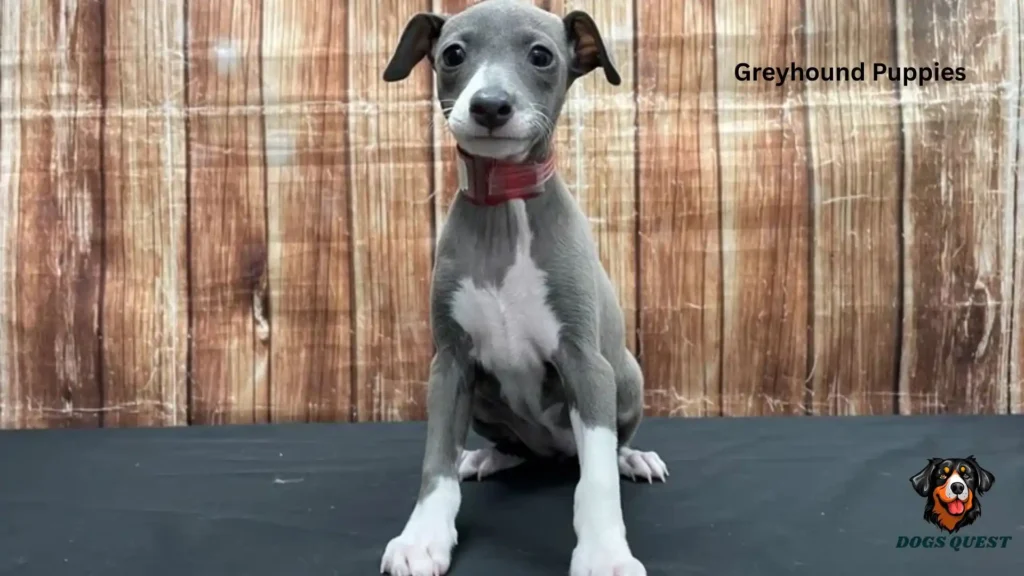
Although greyhound puppies are supposed to be race dogs, they do not require the continuous hours of training. They are short distance runners, not long distance runners. Two or three bursts of play or walking are sufficient to make them healthy and happy.
Mental stimulation is equally important as physical activity due to their intelligence. The best methods to entertain your greyhound puppies are puzzle toys, treat dispensers, and obedience games. Basic commands such as sit, stay or come are also a construct of communication and discipline.
Always have your greyhound puppies on a leash when you are out walking. Their instinct to hunt is intense and they may fly off with small creatures that you cannot even notice them. With an enclosed yard, that is, with a fence, this is an ideal situation to allow them to run freely and safely.
Development of a Home of Safety and Love to Greyhound Puppies.
Getting ready before you bring in greyhound puppies is one of you should prepare a comfortable and cozy place to sleep with a soft bed. The bodies of greyhounds are not well padded and therefore they prefer soft surfaces which cushion their bones and joints.
Puppy-proof your home by clearing away objects that they can chew, swallow or entangle themselves, covering electrical cords, ensuring trash cans are covered and removing any poisonous plants. Another thing is that it is highly important that a routine is developed at a very young age: feeding schedules, walks, play, and sleep should all be timed approximately the same time of the day. This homogeneity makes greyhounds feel safe.
Greyhounds are loving and like company. Incorporate them into your day to day activities be it watching TV, working at home or having a stroll. The longer you have to stay with your greyhound pups, the greater the connection you are bound to have.
Why Adoption of Puppies of a grey hound is so rewarding?
Rearing or adopting greyhound puppies can be one of the most fulfilling things you will have ever done. The lot of retired racing greyhounds is rescued by many organizations or the unwanted litters are rehomed. You will have saved a giving animal a second opportunity in life by adopting one.
The greyhounds are easy to adjust to different living conditions. They are silent dogs that do not bark much and so can be used in apartments. They are also very good companions to the children and adults because of their peaceful nature. They need not have huge yards, they only need love, warmth, and mild exercise, in spite of their athletic capability.
Emotional reward of the ownership of greyhound puppies exists as well. Research indicates that keeping a dog makes one less stressed, lowers blood pressure and makes one happier. Having expressive eyes and being loving, greyhounds can do this in a very special way and make an emotional connection that cannot be forgotten.
10 Fast Facts about greyhound puppies.
- Among dogs, greyhound puppies are one of the oldest and fastest breeds of dogs.
- Greyhounds that are adults can run at a speed of up to 45 miles per hour.
- Their expectancy of life is between 12 and 15 years.
- Puppies of greyhounds gallop in a different way, by a two-suspended gallop, or a gallop in which all the feet are raised during both strides.
- During their early months, they take up to 18 hours sleeping.
- Greyhounds hardly ever bark and thus become one of the quietest types of dogs.
- Puppies of the greyhound are very clean and they tend to groom themselves.
- The majority of breeds have lower red blood cell count compared to them, which makes them run faster.
- There are more than 30 patterns and colors of greyhounds.
- They can run fast because the size of their hearts is proportionately large.
Guidelines
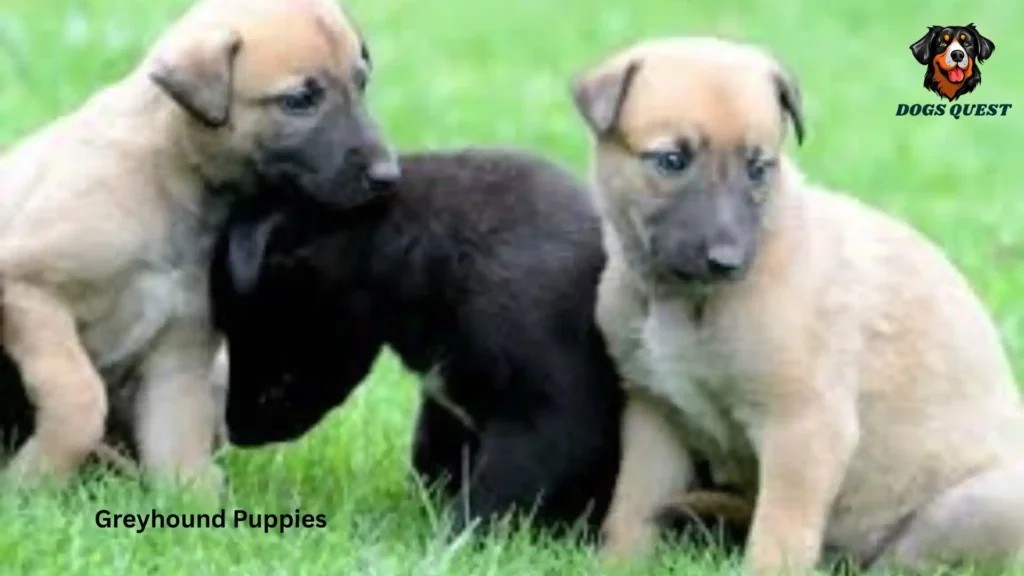
To bring up happy grey hound puppies, emphasize on patience, love, and organization. Remain positive with your training and maintain calm. Keep to a regular daily schedule, and this makes them feel safe and less anxiety-filled. Bring them warm and cozy bedding as they are cold sensitive and they like to be comfortable.
Do not engage in rough games or excess effort on their part before they have grown. Make them exercise and take ample rest. Vet visits are very essential in terms of vaccination, dental checkups and early identification of a health problem. When a greyhound is properly maintained, it becomes healthy, confident, and loving.
Concluding Remarks:
Greyhound puppies would be the best pets to have in case you desire an elegance pet that is fast, intelligent, and tender. They are loving, peaceful dogs that establish strong emotional bonds with the families. Although of an athletic nature, they are quiet and easy-going, happy with a soft bed and gentle love-making.
Since ancient times to present day, greyhound puppies still gain hearts worldwide. Taking one into your life is like acquiring a loyal friend who will make your home full of love, commitment and happiness even in the coming years.
Frequently Asked Questions (FAQs)
Q1: Are greyhound puppies good family pets?
Yes, greyhound puppies make excellent family pets. They are calm, affectionate, and gentle with children. Their quiet nature and love for companionship make them suitable for both apartments and houses. Early socialization helps them adjust easily to families and other pets.
Q2: How much exercise do greyhound puppies need?
Greyhound puppies need moderate exercise. Short play sessions and two 15–20 minute walks each day are enough. While they can run fast, they prefer relaxing indoors most of the time. Avoid over-exercising them during their growth stage to protect their joints.
Q3: What should greyhound puppies eat?
A balanced diet for greyhound puppies should include high-quality proteins like chicken or fish, healthy fats, and complex carbohydrates such as brown rice or oats. Avoid processed foods, artificial additives, and toxic items like chocolate, grapes, or onions.
Q4: Are greyhound puppies easy to train?
Yes, greyhound puppies are intelligent and eager to please, but they are also sensitive. They respond best to calm, positive reinforcement methods. Using rewards, treats, and praise will help them learn faster than harsh commands or punishment.
Q5: How often should I bathe my greyhound puppy?
Because of their short coats, greyhound puppies only need a bath every 4–6 weeks. Overbathing can dry their sensitive skin. Use a gentle, dog-safe shampoo and always dry them well to prevent chills.