
Wondering can dogs eat turkey safely? Discover 7 powerful facts every dog owner must know — from safe portions to hidden dangers and healthy serving tips.
Can Dogs Eat Turkey: 7 Powerful Facts Every Owner Must Know!
Every pet parent loves to share delicious food with their furry friends, especially during holidays and family meals. Turkey is a common favorite on many plates — but one question often comes up: can dogs eat turkey safely? The answer is not as simple as “yes” or “no.” While turkey can be a healthy protein source for dogs, it also carries certain risks if not prepared correctly. In this guide, we’ll uncover 7 powerful facts about whether dogs can eat turkey, including its nutritional benefits, potential dangers, safe preparation methods, and more. By the end, you’ll know exactly how to keep your canine companion healthy and happy.
What Does Turkey Contain and Why It Matters
Before we answer can dogs eat turkey, let’s look at what turkey actually offers. Turkey is a lean white meat packed with nutrients that can support your dog’s overall health when given in moderation.
Nutritional Value of Turkey for Dogs
Turkey is high in protein, which helps build and repair muscles. It’s also rich in B vitamins like B6 and B12 that support energy and brain function, along with zinc and selenium that strengthen the immune system. Its amino acids promote a shiny coat, healthy skin, and metabolism. So yes, dogs can eat turkey — but only if it’s plain, cooked properly, and served without harmful additives like seasoning or butter.
Fact 1: Yes, Dogs Can Eat Turkey — But in Moderation
The short answer to can dogs eat turkey is yes, but moderation is key. Turkey meat itself isn’t toxic to dogs, but the way humans prepare it often is. Avoid giving your dog turkey that’s seasoned with salt, garlic, onions, or spices, as these can cause stomach upset or even poisoning. If you’re cooking turkey at home, serve plain, skinless, boneless turkey meat. It should be fully cooked to kill harmful bacteria like salmonella. Cut the turkey into small, bite-sized pieces before feeding it to your dog and avoid large chunks that could cause choking.
Fact 2: The Skin and Fat Can Be Dangerous
Even though dogs can eat turkey meat, the skin and fatty parts are best avoided. Turkey skin contains oils and fats that can upset your dog’s stomach, potentially leading to pancreatitis, a painful and serious condition. Removing the skin not only reduces fat but also eliminates seasonings that often get absorbed into the outer layer during cooking. High-fat foods can cause vomiting, diarrhea, inflammation of the pancreas, weight gain, and heart strain. Remember, can dogs eat turkey safely? Yes, as long as it’s lean and free of fat or skin.
Fact 3: Never Feed Cooked Bones to Your Dog
This is one of the most crucial safety rules. Cooked turkey bones can splinter easily and cause internal injuries. Many dog owners wonder, “If dogs can eat turkey, can they also chew the bones?” The answer is a hard no. Cooked bones can break into sharp fragments that can puncture the digestive tract, cause choking, or lead to internal bleeding or blockage. If your dog loves chewing, opt for raw bones (under supervision) or safe dog chews designed for dental health. So yes, dogs can eat turkey, but never the bones.
Fact 4: Turkey Deli Meat Is Not Safe
If you’re thinking of giving your dog some deli turkey slices, think again. Deli meats are often high in sodium, preservatives, and nitrates, which are harmful to dogs. Feeding processed turkey may lead to high blood pressure, kidney strain, and dehydration. If you ever wonder can dogs eat turkey slices from the deli, the answer is no — always choose freshly cooked, plain turkey meat instead.
Fact 5: Turkey Can Be Beneficial for Dogs with Sensitive Stomachs
Here’s a positive twist — dogs can eat turkey if they have sensitive digestion or food allergies, as it’s often used in hypoallergenic dog foods. Turkey is leaner than beef and easier to digest than chicken for some dogs. Its low-fat content (when skinless) makes it a great protein source for weight management and gentle diets. Your vet may recommend a turkey-based diet for dogs with chicken or beef allergies, overweight dogs needing lean protein, or dogs with sensitive stomachs. This means that can dogs eat turkey is not only a safety question — it can actually be part of a therapeutic diet when used correctly.
Fact 6: Avoid Turkey Stuffing and Seasonings
Holiday meals often come with delicious stuffing, gravy, butter, and herbs — but these are unsafe for dogs. When wondering can dogs eat turkey, remember: it’s not about the turkey alone, but how it’s prepared. Ingredients like onions, garlic, chives, butter, and salt can be toxic to dogs. Even a small amount can lead to vomiting, lethargy, or anemia. Your dog’s turkey should be plain, unseasoned, and free of sauces. If you wouldn’t serve it to a sick person, don’t serve it to your dog.
Fact 7: Portion Control Matters More Than You Think
Even if dogs can eat turkey safely, overfeeding can cause problems. Turkey is rich in protein and calories, so feeding too much can lead to obesity or digestive issues. Small dogs can have 1–2 small pieces (about 1 oz), medium dogs 2–3 oz, and large dogs up to 5 oz occasionally. Turkey should never make up more than 10% of your dog’s daily calorie intake. Also, make sure you gradually introduce turkey into your dog’s diet to prevent any stomach upset.
How to Safely Prepare Turkey for Dogs
If you plan to share turkey with your furry friend, follow these easy steps to keep it safe and healthy.
Step 1 – Cook It Plain
Boil, bake, or roast the turkey without salt, seasoning, or oil. Avoid using butter or gravy.
Step 2 – Remove Skin and Bones
Always strip away the skin and ensure no bones are left. Even small bone fragments can pose a choking hazard.
Step 3 – Serve Small Portions
Cut the turkey into bite-sized pieces and serve a small portion as a treat or mix it into their regular dog food. By following these simple steps, you’ll never have to worry again about can dogs eat turkey safely.
Can Dogs Eat Turkey Every Day?
Technically, dogs can eat turkey daily if it’s included in a balanced commercial dog food or a vet-approved homemade diet. However, as a treat or supplement to regular food, turkey should be given occasionally. Daily feeding of plain turkey can cause nutrient imbalances if other food sources are ignored. Always consult your veterinarian before making turkey a regular part of your dog’s diet.
Health Benefits of Turkey for Dogs
When given correctly, turkey can support your dog’s health in multiple ways: it builds muscle mass and energy through lean protein, helps maintain a healthy weight when served skinless, supports metabolism and brain function through B vitamins, and strengthens the immune system with zinc and selenium. It’s also easily digestible — perfect for dogs with food sensitivities. So yes, dogs can eat turkey — and thrive on it when served the right way.
Common Mistakes Owners Make When Feeding Turkey
Many pet owners accidentally make these mistakes when giving turkey to dogs. Avoid these to keep your pup safe: feeding seasoned or buttered turkey, giving cooked bones, serving turkey with skin or fat, offering deli or processed turkey, and feeding too large a portion. If you stick to plain, boneless, skinless turkey, your dog will enjoy all the benefits without the risks.
Final Thoughts
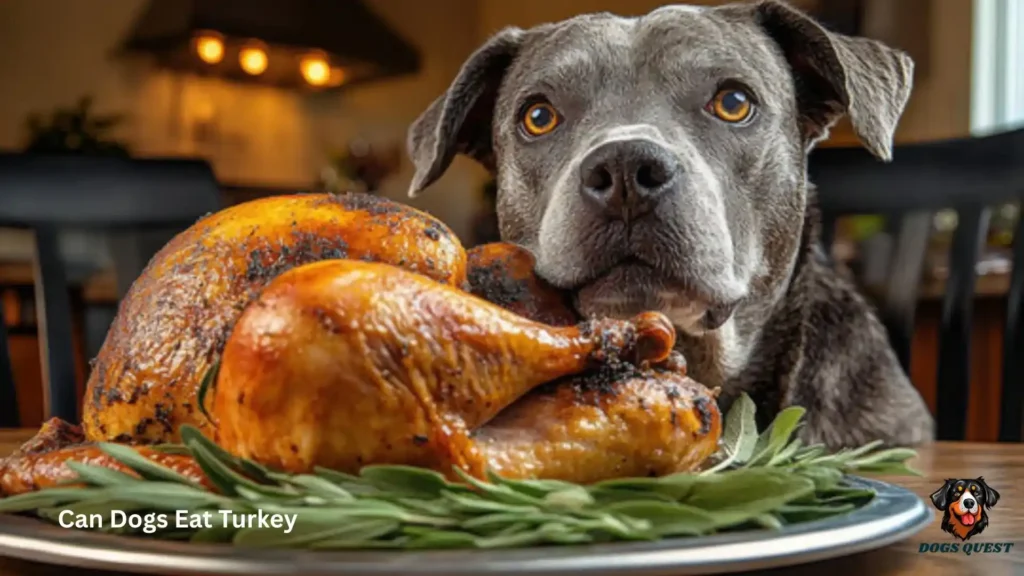
So, can dogs eat turkey? Absolutely — but with caution and care. Turkey can be a nutritious, protein-rich addition to your dog’s diet if it’s cooked plain, served without skin or bones, and given in moderation. Whether you’re celebrating Thanksgiving or just sharing a snack, keep your pup’s safety in mind. Remember, it’s not about what we enjoy — it’s about what’s safe for them. With the right preparation, your dog can enjoy turkey as a healthy, delicious treat.
Frequently Asked Questions (FAQs) About Can Dogs Eat Turkey
Q1: Can dogs eat turkey skin?
No, turkey skin is high in fat and may cause digestive upset or pancreatitis. Always remove it before serving.
Q2: Can dogs eat turkey bones?
Never feed cooked turkey bones! They can splinter and cause serious internal injuries.
Q3: Can dogs eat turkey lunch meat?
No, processed deli turkey contains harmful sodium and preservatives.
Q4: How much turkey can I feed my dog?
Small dogs: 1 oz, medium dogs: 2–3 oz, large dogs: up to 5 oz occasionally.
Q5: Can dogs eat ground turkey?
Yes, as long as it’s cooked plain and unseasoned. Ground turkey is a great lean protein option.