

Can dogs eat mushrooms? Learn the 7 shocking truths about safe and toxic mushrooms for dogs, plus vet-approved tips to keep your pup healthy and happy.
Introduction:
If you’ve ever caught your furry friend sniffing around the backyard or the forest floor, you’ve probably wondered: can dogs eat mushrooms safely? Mushrooms pop up everywhere—from pizza toppings to your garden after the rain—and while they’re delicious for humans, not all mushrooms are friendly to our canine companions.
The truth is, some mushrooms are completely harmless to dogs, while others can be dangerously toxic. Knowing the difference could literally save your dog’s life. In this article, we’ll explore the seven shocking truths about mushrooms and dogs, which types are safe, which are deadly, and what to do if your dog accidentally eats one.
Understanding the Basics — What Are Mushrooms?
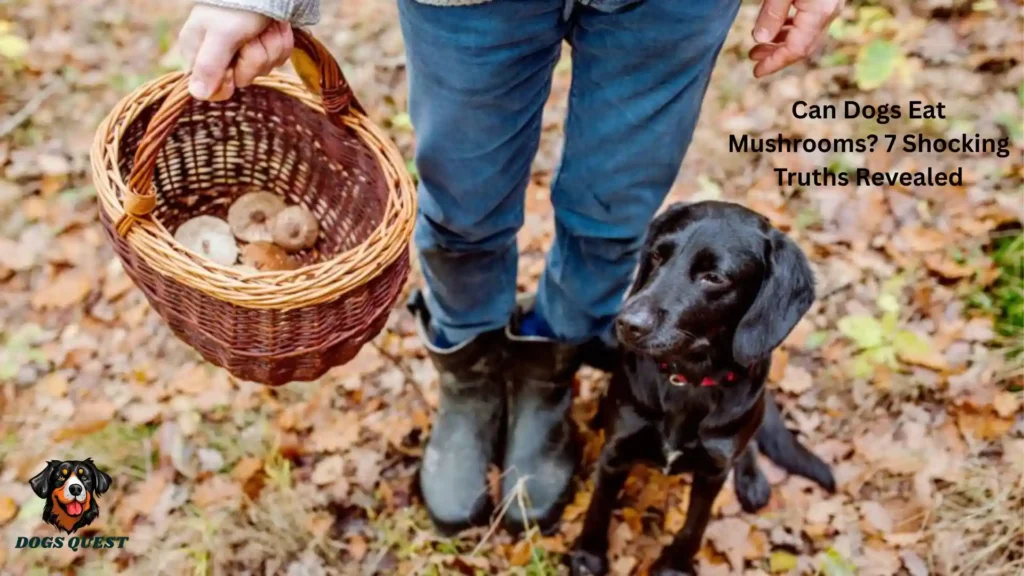
Mushrooms are fungi, not plants. They come in thousands of varieties, from edible button mushrooms to poisonous species like Amanita phalloides (the “death cap”). For humans, edible mushrooms are full of nutrients such as fiber, antioxidants, and vitamins. But when it comes to dogs, things get tricky.
Dogs Have Different Digestive Systems
While humans can digest mushrooms easily, dogs process foods differently. Their digestive systems are designed for animal proteins, not complex fungi. That’s why even some edible mushrooms may cause stomach upset in dogs.
Natural Instincts Aren’t Always Safe
Dogs are curious creatures. Their sense of smell might attract them to mushrooms growing outdoors. Unfortunately, they can’t tell the difference between edible and toxic types, which raises the question—can dogs eat mushrooms without risk? The short answer: only some, and under specific conditions.
7 Shocking Truths About Dogs and Mushrooms
Let’s uncover the truth behind this controversial question—can dogs eat mushrooms safely? You might be surprised by what you’ll learn below.
1. Not All Mushrooms Are Safe for Dogs
Just because a mushroom is safe for humans doesn’t mean it’s safe for dogs. Store-bought mushrooms like white button, portobello, or cremini are generally safe if cooked plain. But wild mushrooms are a different story—many are highly toxic to dogs.
LSI Keywords: toxic mushrooms for dogs, wild mushrooms, safe mushrooms for dogs, poisonous fungi for pets
2. Wild Mushrooms Can Be Deadly
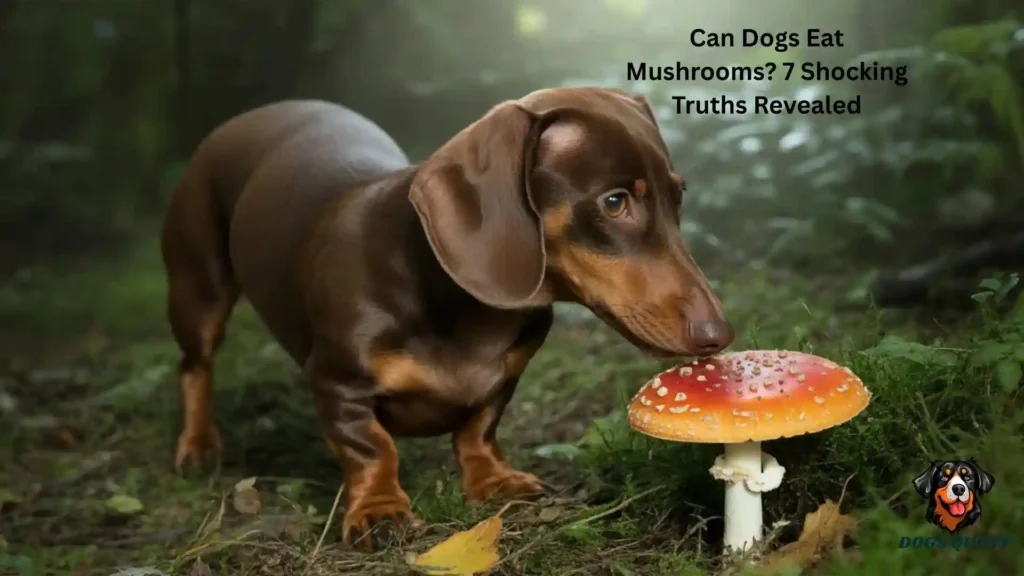
If your dog eats wild mushrooms during a walk or in your yard, contact a vet immediately. Certain species like the death cap, fly agaric, and false morel can cause liver failure, kidney damage, or even death.
Symptoms of mushroom poisoning include:
- Vomiting and diarrhea
- Drooling
- Tremors or seizures
- Yellow gums or eyes (signs of jaundice)
- Weakness and lethargy
Even a small bite can be fatal, so it’s never worth taking chances.
3. Cooked Mushrooms Are Safer—but Still Require Caution
You might think, “Well, I’ll just cook them for my dog.” While cooked mushrooms like white or cremini are less risky, they should always be served plain—no salt, butter, garlic, or onion, which are toxic to dogs.
The Right Way to Feed Mushrooms
- Wash them thoroughly to remove dirt or chemicals
- Cook without oil, butter, or seasoning
- Cut into small, digestible pieces
- Feed occasionally as a treat, not a full meal
4. Mushrooms Offer Health Benefits—When Safe
Yes, dogs can eat mushrooms—the safe kind—in moderation. They can even benefit from nutrients like antioxidants that support immune health, vitamin D for strong bones, fiber for digestion, and beta-glucans that may improve heart health.
Some pet food brands even use medicinal mushroom extracts like reishi, shiitake, or maitake to boost immunity and support overall wellness.
LSI/NLP Terms: medicinal mushrooms for dogs, mushroom supplements for pets, reishi for dogs, shiitake health benefits, immune-boosting dog treats
5. Dogs Can’t Identify Toxic Mushrooms
Here’s a shocking fact: even the best-trained dogs can’t distinguish safe from poisonous mushrooms. Many toxic varieties look similar to edible ones. That’s why responsible pet owners should keep dogs away from all wild mushrooms—no exceptions.
If you ever ask yourself can dogs eat mushrooms they find outside, the answer is always a firm no.
6. Mushroom Poisoning Requires Immediate Action
If your dog eats an unknown mushroom, don’t wait for symptoms. Time is critical.
Here’s what to do immediately:
- Remove your dog from the area to prevent more ingestion.
- Try to identify the mushroom or take a photo.
- Call your vet or the Pet Poison Helpline (1-855-764-7661).
- Do not try home remedies—they can make it worse.
- Bring a sample of the mushroom to the vet for analysis.
Even if your dog seems fine, toxins may take hours to show effects, so prompt action matters.
7. Prevention Is Better Than Cure
The best answer to “can dogs eat mushrooms?” is “only safe ones you provide.” Keep your yard clear of wild mushrooms, supervise your dog during walks, and never allow them to nibble on unknown fungi.
You can also teach the “leave it” command to stop them from eating unsafe objects outdoors.
Safe and Toxic Mushrooms for Dogs
Here’s a quick breakdown without using a table.
Safe mushrooms for dogs include:
- White button mushrooms
- Portobello mushrooms
- Shiitake mushrooms
- Reishi mushrooms (used in supplements)
Toxic mushrooms for dogs include:
- Amanita species (Death Cap)
- Fly Agaric
- False Morel
- Panther Cap
- Destroying Angel
Always remember: if it’s wild and unidentified, assume it’s poisonous.
How to Feed Mushrooms to Dogs Safely
If you decide to include mushrooms in your dog’s diet, follow these vet-approved guidelines.
Always Cook Mushrooms
Raw mushrooms are difficult to digest. Cooking makes them softer and easier for dogs to handle.
Keep It Simple
Avoid salt, garlic, onions, soy sauce, or butter. Plain, cooked mushrooms are safest.
Serve Small Portions
Mushrooms should be a treat, not a staple food. A few small pieces once in a while are enough.
Watch for Allergies
After feeding mushrooms for the first time, monitor your dog for 24 hours. Watch for itching, vomiting, or diarrhea.
Mushroom Poisoning in Dogs — Signs, Causes & Treatment
Even one toxic mushroom can have severe effects on your dog. Let’s look deeper at what happens during mushroom poisoning.
Early Signs of Mushroom Toxicity
- Excessive drooling
- Vomiting and diarrhea
- Abdominal pain
- Disorientation or staggering
- Seizures
- Yellow eyes or gums (a sign of liver failure)
Treatment Options
Veterinarians may:
- Induce vomiting to remove toxins
- Administer activated charcoal
- Provide IV fluids and medications
- Monitor liver and kidney function
Early treatment can make the difference between recovery and tragedy.
Common Myths About Dogs and Mushrooms
Myth 1: “If humans can eat it, dogs can too.”
False. Dogs have different metabolisms and sensitivities.
Myth 2: “Cooking kills all toxins.”
False. Some toxic mushrooms remain poisonous even after cooking.
Myth 3: “A small amount won’t hurt.”
False. Some species are so toxic that a single bite can be deadly.
Myth 4: “My dog knows what’s safe.”
False. Dogs rely on scent, not logic—they can’t identify poison.
Vet’s Verdict — Should You Feed Mushrooms to Dogs?
Most veterinarians agree that dogs can eat mushrooms that are store-bought, cooked, and served plain. But wild mushrooms are a strict no-go.
If you want to add mushrooms for health benefits, ask your vet about mushroom-based supplements specifically formulated for dogs. These are safer and provide consistent nutrition.
Mushroom Alternatives for Dogs
If you’re unsure about feeding mushrooms, here are healthy and safe alternatives that offer similar nutritional value:
- Cooked sweet potatoes
- Carrots
- Pumpkin puree
- Green beans
- Blueberries
These foods provide fiber, vitamins, and antioxidants without any of the risks associated with mushrooms.
Final Thoughts — Can Dogs Eat Mushrooms Safely?
So, can dogs eat mushrooms without harm? The final answer is:
Yes, but only certain store-bought, cooked, and plain mushrooms. Can dogs eat mushrooms from the wild? Absolutely not — never let your dog eat wild mushrooms found outdoors. Many pet owners still ask, “Can dogs eat mushrooms if they’re organic or homegrown?” Even then, caution is vital. Always remember that can dogs eat mushrooms safely depends on the type, preparation, and portion.
If you’re ever uncertain, ask yourself again — can dogs eat mushrooms in a way that truly benefits their health? The truth is, moderation and awareness make all the difference. Can dogs eat mushrooms every day? No, it’s best as an occasional treat. And yes, before you make any change, always check with your vet to confirm whether can dogs eat mushrooms is the right choice for your furry friend.
When in doubt, it’s always best to consult your vet before introducing new foods to your dog’s diet. Remember, prevention and caution are the best forms of love you can give to your pet — and now you know the complete answer to the question, can dogs eat mushrooms?
FAQs:
Q1. Can dogs eat mushrooms safely?
Yes, dogs can eat mushrooms, but only certain kinds that are store-bought, cooked, and served plain. Avoid all wild mushrooms, as many species are toxic and can cause serious illness or even death.
Q2. What mushrooms are safe for dogs to eat?
Safe mushrooms for dogs include white button, portobello, cremini, shiitake, and reishi mushrooms. Make sure they are fresh, cleaned, and cooked without any seasoning or oil.
Q3. What mushrooms are toxic to dogs?
Wild mushrooms such as Amanita phalloides (death cap), fly agaric, false morel, and panther cap are extremely poisonous to dogs. Even small amounts of these mushrooms can cause severe poisoning or organ failure.
Q4. Can dogs eat mushrooms cooked in butter or oil?
No, dogs should never eat mushrooms cooked in butter, oil, or any kind of seasoning. Fats, salt, and spices can upset your dog’s stomach and may contain toxic ingredients like garlic or onion.
Q5. Can dogs eat mushrooms from pizza or other human foods?
No, dogs should not eat mushrooms from pizza or human dishes. These foods often include oils, salt, and other ingredients that are unsafe for dogs.