
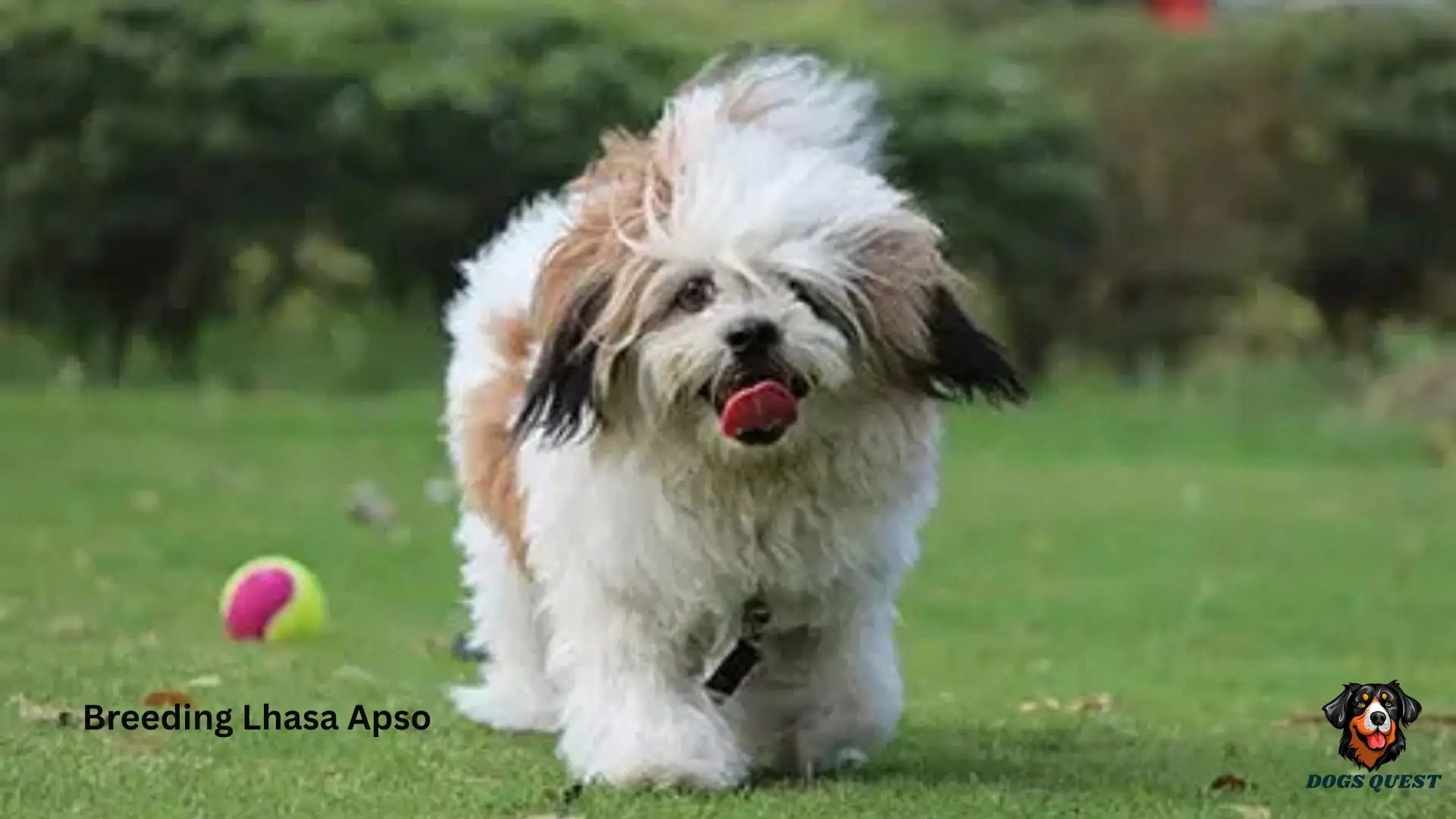
Learn the 7 secrets of breeding Lhasa Apso dogs to success. Find out professional secrets, genetic information, health tips as well as methods of raising a puppy that are ethical, healthy and happy Lhasa Apsos.
Introduction:
Rearing Lhasa Apso is an enjoyable and a serious task. The Lhasa Apso is not just a tiny pet, the luxurious coat, the faithful personality, the ancient Tibetan heritage of the breed make it a heart, smart and personality breed. But, it is a demanding undertaking in form of knowledge, patience and care to breed Apso responsibly.
We are going to address each crucial issue which surrounds the breeding of Apso successfully in this step-by-step guide which covers the genetic good health, temperament and selection of a mate to the care of the puppy, training, and ethical conduct. With these seven unchallenged secrets, regardless of whether you are a first-time breeder or an expert dog lover, you will be on your way towards rearing happy, healthy and well socialized Lhasa Apso puppies.
What to know about the Lhasa Apso Breed Before Breeding.
A Peek inside the Tibetan Ancient Guardian.
Lhasa Apso is a breed that has its origin in Tibet where it was farmed as a guardian to the temple. These tiny yet fearless dogs were considered to be of good luck and good fortune. When breeding Lhasa Apso, one should realize that the breed is the result of centuries of selective breeding, which was narrowed down to sharpness, self-sufficiency, and loyalty.
Personality and Temperament
Lhasa Apso is also characterized by confidence, loyalty and sense of awareness. Although loving to their relatives, they may be suspicious of newcomers. The breeding Apso programs are meant to conserve this balanced temperament, brave, yet loving, possessing the trait of being protective and also loving.
Physical Characteristics that should be preserved.
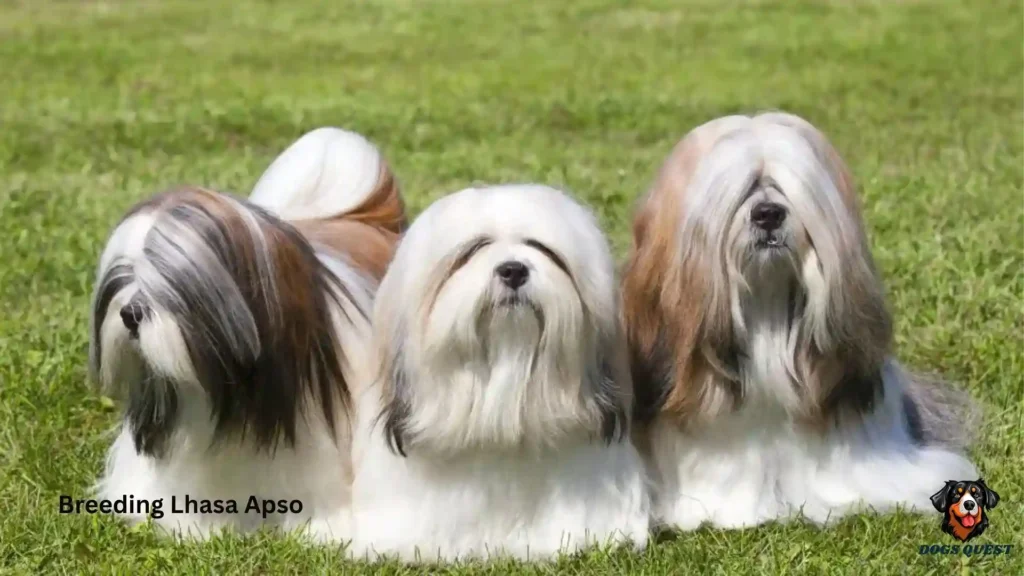
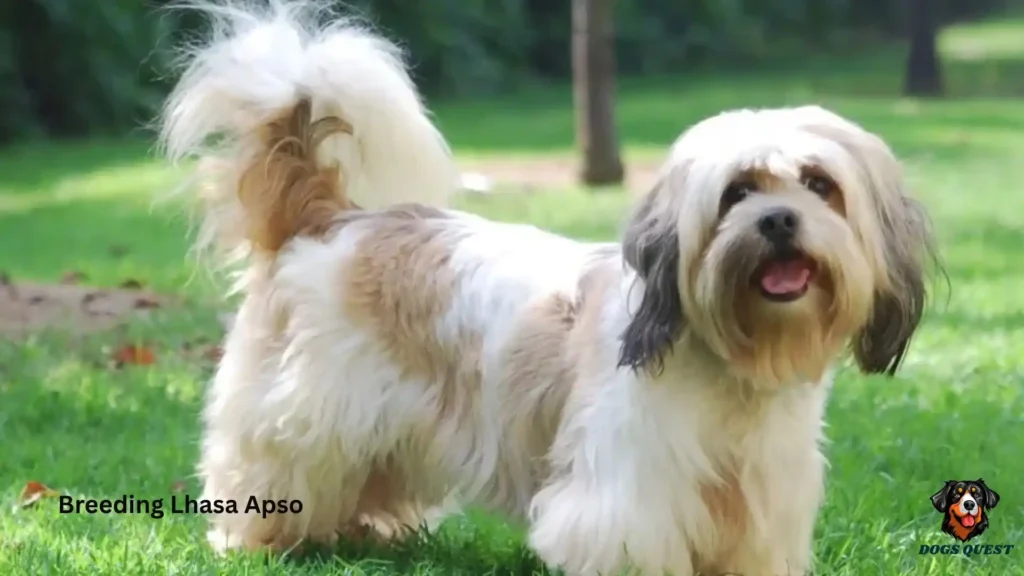
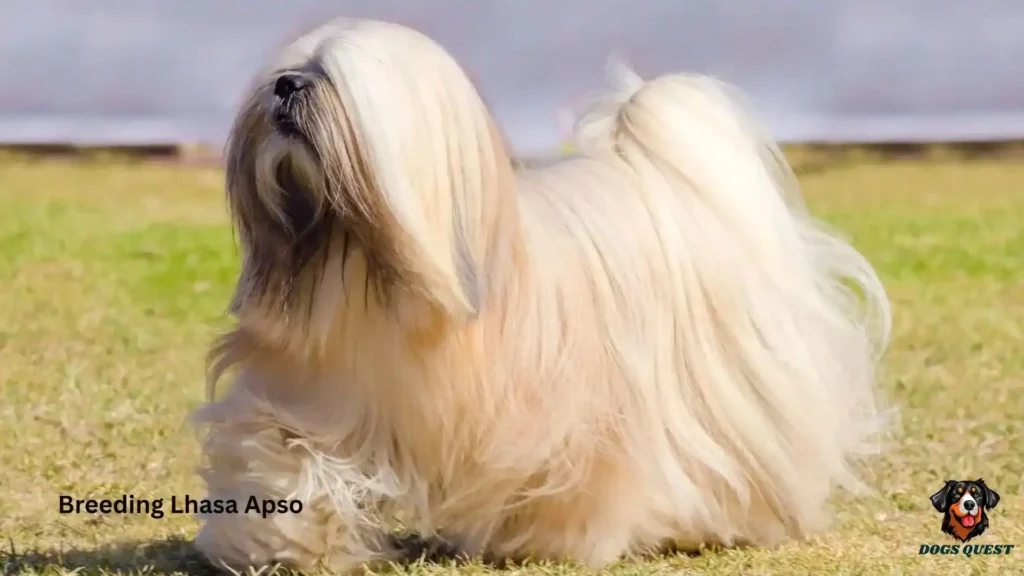
A full grown Lhasa Apso weighs between 12 and 18 pounds, and it is characterized by its gorgeous, long and flowing, two coats, which makes it look like a royal and noble animal. It is a small but robust dog which has a well-proportioned body, dark and expressive eyes, and a plumed tail held very high in the air over the back of the dog. The practice of responsible breeding preserves these traditional characteristics to the breed standards so that all Lhasa Apsoes remain healthy, well endowed, and free of some characteristics that can be detrimental to its life.
The selection of the appropriate breeding pair.
Genetic Testing Is a Necessity.
As a prerequisite to breeding Lhasa Apso, the male and female will have to be screened in terms of health. There are such common genetic issues as hip dysplasia, luxation of the patella, progressive retinal atrophy (PRA), and kidney disease. Breeders must not mate dogs with vague genetic test results and certification of reliable veterinary bodies.
Determine Compatibility of Temperament.
The issue of temperament contributes very much to the success of breeding Lhasa Apso dogs. The more two dogs are matched with calm, friendly, and stable temperaments, the higher the possibility of having well balanced puppies. Do not put two domineering (or nervous) people together.
Age and Maturity Matter
Preferably, a female Lhasa Apso must be 18 months of age before their first litter. Male dogs can be a little earlier but both dogs must be physically fit and calm. Breeding Apsos too early or over-breeding Apsos may cause complications and ill born litters.
Breeding Cycle Knowledge.
These are the Recognitions of Heat and Fertility.
The female Lhasa Apsols usually go into heat every six or eight months. The best time of the year to breed Lhasa Apso is in the middle of the heat cycle – normally during day 10-14. Such changes in behavior, swelling and the discharge can be observed to indicate the best time to breed.
Natural Mating and Artificial Insemination.
Traditional mating and the use of artificial insemination are two choices in breeding Lhasa Apso. Natural mating is usually favored in cases of first-time breeders but in case of distance or timing problems, one can employ artificial insemination. To be on the right time and safe breeding practice, always seek professional advice of a vet.
Post-Mating Care
Once the female has been successful in the process of mating, a stress free environment must be offered to her. It is important that nutrition and hydration be emphasized. During the initial weeks of breeding Lhasa Apso females, over-handling and over activity should be avoided.
Lhasa Apso Mothers Pregnancy Care.
Nutrition During Pregnancy
Lhasa Apsos being pregnant demand high-protein diet rich in nutrients. Most of the cases with the addition of supplements like calcium and omega-3 fatty acids help in the development of the puppies and health of the mothers. Most breeders of Lhasa Apso breed advise high-quality dog food that is designed either to be small breed or to be pregnant.
Veterinary Monitoring
It is a prerequisite that both the mother and the child be taken to the vet regularly during pregnancy. Pregnancy can be confirmed by an ultrasound at 2530 days and litter size estimated. Checking the weight and the appetite of the mother is a way of making sure that the pregnancy is healthy enough – an essential practice in ethical breeding of Lhasa Apso.
Preparing for Whelping
Birthing (delivery) must take place in a clean, quiet and warm place. A whelping box should be lined with soft blankets and also placed away in a different place that does not produce too much noise. Natural breeders tend to start monitoring the temperature towards the end of pregnancy in order to predict labor.
Whelping, Newborn Care.
Recognizing Labor Signs
The decrease of the body temperature, the nesting activity, and restlessness are the signs of the beginning of labor. Majority of Lhasa Apsol delivers naturally although there may arise complications. It is always advisable to have a veterinary available during the breeding Lhasa Apso whelping.
The First 24 Hours After Birth
Puppies are supposed to begin nursing in the first hour of their birth. Colostrum of the mother contains needed antibodies. The first day should also be characterized by observing the breathing patterns, warmth, and food intake of each puppy. Maintaining the environment at approximately 85 o C makes the environment safe to newborns.
After childbirth Care of the Mother.
Food and fresh water should be easily accessible to the mother once they are whelped. Watch her keenly in case of fatigue or infection. According to the ethics and compassion of breeding Lhasa Apso, proper postpartum care is the answer.
Raising and Socialization of Lhasa Apso Puppies.
Early Development Stages
At about two weeks old, Lhasa Apso puppies open their eyes, and start walking at the age of three weeks. It is a sensitive period in which warmth and hygiene is vital. The initial weeks form a very fundamental base in the breeding of Lhasa Apso programs.
Socialization and Temperance Building.
Beginning at about 4 to 6 weeks add puppies to gentle handling and exposure to various sounds. Human interaction is positive and confidence is developed as well as fearfulness is minimized. Raising emotionally stable people-friendly dogs is one of the objectives of breeding Lhasa Apso successfully.
Transition to Solid Food
At six weeks, the puppies are able to begin the process of weaning onto high-quality puppy kibble moistened with warm water. Small, frequent meals are also beneficial, as they keep the energy level high and allow the steady growth of a child.
Vaccinations and Health Checks.
Deworming and Immunization Timetable.
Good breeding The Lhasa Apache breeders are always subjected to strict veterinary measures. Deworming of puppies occur at 2, 4, 6 and 8 weeks and immunization against parvovirus, distemper and adenovirus. Constant health record increases your reputation as a breeder.
Identifying and Microchipping.
Microchipping will assist in ownership tracking and curb puppy theft. The step has become legal in many countries. Moral breeding Lhasa Apso practices are never interested in the safety of all pups in the long-term.
To locate Homes of Responsibility.
Screening Potential Owners
Getting appropriate homes to your puppies is one of the last yet the most important things to do when breeding Lhasa Apso. Conscientious owners are supposed to know the grooming, work-out, and emotional requirements of the breed. Do not sell to customers who are irresponsible or negligent.
New Hire Education and New Hire Support.
Give new owners feeding schedules, grooming instructions and health forms. This further justifies the breeding of Lhasa Apso with an improved emphasis through the maintenance of communication as it facilitates the further well-being of every puppy.
Ethical and Legal Accountabilities.
The registration with Kennel Clubs.
It is also credible when you can register your litter with kennel organizations such as the AKC or UKC. It also makes sure your breeding Lhasa Apso operation and will meet with recognized breed standards and genetic transparency.
Limiting Over-Breeding
Moral breeders put profit in second place. Lhasa Apsons that are female ought to give birth to at most three to four litters in a lifetime. Inbreeding causes the physical and emotional stress, which contradicts the responsible breeding Lhasa Apso rules.
Neutering and Spaying Breeding Non-Breeding Dogs.
All Lhasas Apso are not to be bred. To avoid accidental litters, pet-quality dogs are to be neutered or spayed to avoid health hazards.
Breeding Breeding Lhasa Apso Grooming and Maintenance.
The breed is characterized by a floor long, silky coat. Matting is prevented by brushing and applying detangling spray on a daily basis. Clean ears once a week and nail trimmed. Before and after breeding Lhasa Apso proper grooming is necessary to ensure that the dogs feel comfortable and photogenic to their potential customers.
Bathing and Hygiene

Wash Lhasa Apso twice or thrice in a month with soft dog shampoo. Do not bath too often because this may dry up the coat. Sanitation is significant in the prevention of infection – a high priority in breeding Lhasa Apso in a responsible manner.
Marketing aspects and pitfalls that are common and the ways to overcome them.
Low Litter Size
Lhasa Apsos normally bear small litters – in most cases 3 to 5 puppies. Should you have low fertility, get a vet to determine health in terms of reproductive health. Lhasa Apso breeding programs can be achieved through better nutrition and hormonal support.
Puppy Death and Feebleism.
Make sure that the newborns are warm and hydrated. Weaker pups might have to be hand-fed. Close observation within the first two weeks is critical in the safe breeding of Lhasa apso.
Managing Emotional Fatigue
The process of breeding is emotionally time-consuming. Resting between lights is one way of giving you and your dogs time to rest – something that people seldom consider as a sustainable breeding Lhasa Apso activity.
Advertisement and Creating Your Image as a Breeder.
Building an Ethical Brand
Transparency builds trust. Post your breeding philosophy, updates on your puppies as well as health certificates on your webpage or social media. Honesty is valued by prospective consumers and this has been one of the pillars of thriving breeding Lhasa Apso companies.
Utilizing Digital Tools to be Visible.
Reach out to more potential owners with SEO-optimized blogs (such as this one), posts in social media, and directories of breeders. The active content marketing on breeding Lhasa Apso will build your authority in the dog-breeding world.
Conclusion: The Right way to breed Lhasa Apso.
Rearing Lhasa Apso is not only creating puppies but a continuation of a centuries old tradition of loyal, brave and beautiful dogs. Research, love and careful work are the keys when it comes to the results; healthy dogs, happy families and the pleasure of carrying on with one of the most loved types of dogs on earth.
Regardless of whether you are new to the breeding Lhasa Apso game or want to optimize what you are doing already, keep in mind that each choice, which includes genetic screening and puppy placement among others, defines the future of the breed. Do it honestly and you will be a part of something really special.
FAQ About Breeding Lhasa Apso
Q1. What is the best age to breed a Lhasa Apso?
A Lhasa Apso should ideally be bred between 18 months and 6 years. Females must have at least two heat cycles before breeding to ensure physical maturity and safe pregnancy.
Q2. How many puppies do Lhasa Apsos usually have?
A typical Lhasa Apso litter size ranges from 3 to 5 puppies, though some may have slightly more or fewer depending on genetics and health.
Q3. How often can a Lhasa Apso be bred safely?
Ethical breeders usually breed a female once a year or skip every other heat cycle to avoid health stress. Overbreeding can lead to complications.
Q4. Are Lhasa Apsos difficult to breed?
They aren’t necessarily difficult, but they require careful management because of their small size, possible birthing complications, and need for proper genetic screening.